

When it comes to electrical systems, safety and reliability are paramount. But how can you ensure that your cables meet these critical standards?
In this article, we will explore what VDE cables are and why they are essential for modern electrical systems. You will learn how these cables maintain high safety and performance standards, providing reliability across various industries, from homes to industrial settings.
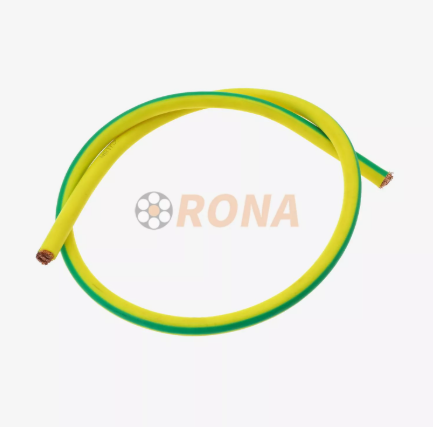
VDE certification is a mark of quality and safety for electrical cables. It indicates that a cable has been tested and verified by an accredited laboratory to meet specific safety, performance, and environmental standards. The VDE Institute tests cables for various parameters such as electrical load capacity, fire resistance, and environmental durability.
VDE-certified cables are particularly important in regions where strict safety regulations apply, such as in construction, industrial machinery, and residential wiring. The certification helps ensure that cables perform reliably under demanding conditions, reducing the risk of accidents, electrical failures, and system downtimes, which could lead to costly repairs and even safety hazards.
VDE cables are held to higher standards than non-certified cables. One of the main differences lies in the safety features. VDE cables undergo rigorous testing, including electrical load tests, flame exposure, and mechanical stress testing, ensuring their durability and safety. These tests ensure that the cables can handle high electrical currents and exposure to extreme conditions without failing.
Non-certified cables, on the other hand, might lack these comprehensive safety checks, which can lead to failures in high-stress environments. VDE cables are also designed to withstand temperature extremes, UV exposure, and chemical corrosion, making them suitable for both indoor and outdoor applications. They are particularly valuable for industries that require consistent and high-quality performance under challenging conditions. For businesses requiring compliance with international standards, using VDE-certified cables ensures both safety and legal adherence.
The following table highlights the key differences between VDE cables and non-certified cables:
| Feature | VDE Cables | Non-Certified Cables |
|---|---|---|
| Safety Standards | Rigorous testing (flame, electrical load, etc.) | Minimal testing, higher risk |
| Fire Resistance | Self-extinguishing in fire | May not meet fire safety standards |
| Durability | High mechanical stress resistance | Lower mechanical resistance |
| Temperature Tolerance | Wide temperature range | Limited temperature tolerance |
| Environmental Resistance | UV, chemical, and abrasion-resistant | Limited resistance to UV and chemicals |
| Certification | VDE certified, internationally recognized | No certification or testing |
VDE cables are tested for a range of safety factors to ensure they can withstand electrical overloads, fires, and other hazards. One of the primary tests is the electrical load test, where cables are subjected to high voltages and currents to ensure they won't overheat or degrade. This is especially important for cables used in high-demand applications where constant power transmission is required.
Flammability testing is also crucial for ensuring that the cables are fire-resistant. The ability of a VDE cable to self-extinguish when exposed to flame is an essential feature, especially in buildings or industrial environments where fire hazards are a concern. These tests ensure that VDE cables contribute to fire safety by minimizing the risk of sparks and fires caused by cable malfunctions.
These safety standards make VDE cables a reliable choice for protecting both human life and property. Their compliance with international safety norms adds a layer of security to every installation, reducing risks and ensuring peace of mind for installers and end-users.
VDE cables use high-quality conductors, typically made from pure copper, ensuring excellent conductivity and minimal energy loss. The purity of copper used in these cables contributes to their ability to transmit electrical power with minimal resistance, which is essential for both low and high-power electrical systems.
The insulation materials used in VDE cables are equally important. Materials like PVC, TPE, and silicone are common, each providing specific benefits such as resistance to high temperatures or UV radiation. For example, TPE insulation offers flexibility and thermal stability, making it ideal for applications in harsh environments. Silicone, on the other hand, is known for its high-temperature resistance and is commonly used in industrial settings where extreme heat is a factor.
The combination of high-quality conductors and durable insulation ensures that VDE cables can operate efficiently in both high-power and low-power environments, offering excellent protection against electrical faults, environmental factors, and mechanical damage.
VDE cables are designed for exceptional mechanical durability. They undergo tests to assess their abrasion resistance, tensile strength, and flexibility, ensuring they can withstand physical stress during installation and use. For example, cables that are used in heavy machinery or outdoor environments need to be flexible and resistant to wear. The testing ensures that VDE cables can perform well even in environments that subject them to constant movement or exposure to mechanical stress.
In addition, VDE cables are tested for thermal stability, which ensures that they can handle extreme temperatures without degrading. This is especially important for cables used in industrial automation or outdoor installations, where temperature fluctuations are common. Cables that perform well in a wide range of temperatures are essential for ensuring long-lasting, safe operation.
For industrial applications, choosing VDE cables with enhanced mechanical durability ensures long-term performance and minimal maintenance, reducing the need for costly replacements or repairs due to cable damage.
VDE cables are widely used in residential buildings to ensure the safety and reliability of electrical circuits. These cables are often found in wiring systems for appliances, lighting, and HVAC units. VDE-certified cables are essential for protecting homes from electrical failures that could lead to fires or equipment damage.
Homeowners and electricians prefer VDE cables because they meet strict safety standards, making them ideal for both new construction and renovation projects. VDE-certified cables help prevent potential electrical hazards, ensuring that the wiring in homes is safe, compliant, and efficient.
In the industrial sector, VDE cables are crucial for powering heavy machinery, control panels, and automated systems. The flexibility and resilience of VDE cables allow them to function reliably in harsh environments where vibrations, temperature extremes, and physical stress are common.
From PLC systems to robotics, VDE cables are the backbone of many industrial applications, ensuring smooth and uninterrupted operation in automated factories, manufacturing plants, and other critical infrastructure. By using VDE cables in industrial settings, businesses can maintain consistent performance and ensure the safety of their machinery and personnel.
VDE cables play a critical role in the medical and automotive industries. In medical technology, these cables are used in diagnostic and surgical systems where reliability is paramount. The fire-retardant properties and high insulation standards of VDE cables ensure safety in hospitals and clinics. Their ability to operate without failure in sensitive environments is vital for the proper functioning of life-saving equipment.
In the automotive sector, VDE cables are used in power distribution systems, infotainment, and control systems. Their flexibility and resistance to chemicals make them ideal for use in vehicles, especially electric vehicles (EVs), where durability is crucial for long-term performance. As the automotive industry moves towards more advanced electrical systems, the demand for high-quality VDE cables continues to grow.
When choosing VDE cables for your project, several factors need to be considered:
Rated Voltage: Ensure the cable is rated for the required voltage in your system. Selecting cables with the right voltage rating ensures that the system operates efficiently without overheating or causing electrical hazards.
Temperature Range: Select cables with insulation materials suited for your operating environment's temperature. Cables with a broader temperature range can handle more extreme conditions, ensuring that your system remains functional in various environments.
Insulation Type: Depending on the installation, choose between PVC, silicone, or other materials based on their chemical, thermal, and environmental properties. The right insulation type can provide additional protection against external factors such as moisture, oils, and UV radiation.
Choosing the right VDE cable based on these factors ensures optimal performance and safety, preventing costly system failures due to improper cable selection.
To ensure you're purchasing genuine VDE cables, check for the VDE certification mark and a unique approval number. This mark should be visible on the cable's jacket, packaging, or datasheet. You can also verify the certification by checking the product details against the VDE certification database.
It’s important to buy from reputable suppliers who provide traceability documentation and technical datasheets to confirm the cable's compliance with VDE standards. Always verify the authenticity of VDE cables before installation to avoid the risks associated with substandard products. Authentic VDE cables provide greater assurance that the installation will be safe and compliant with regulations.

The process of obtaining VDE certification involves several key steps:
Product Testing: The cable undergoes rigorous tests for electrical performance, safety, and durability. These tests ensure that the cable can handle the required electrical load and environmental conditions.
Factory Inspections: The manufacturing facility is inspected to ensure compliance with VDE standards. This includes verifying that proper production methods and quality control procedures are followed.
Continuous Monitoring: Periodic audits and retests ensure that the cables continue to meet VDE standards throughout their lifecycle. This ongoing monitoring guarantees that the cables remain reliable and safe over time.
These steps ensure that VDE-certified cables are reliable, safe, and compliant with industry regulations. Companies that use VDE cables can be confident that they are using high-quality, dependable products.
VDE certification is more than just a label. It’s a guarantee that the cable has been independently tested and meets the highest safety and performance standards. This certification provides confidence to engineers, installers, and end-users that the cables will perform safely in their specific applications.
VDE certification not only meets legal and safety requirements but also offers peace of mind that your installation is backed by reliable quality. By choosing VDE-certified cables, businesses can ensure that they are meeting international safety standards and reducing the risk of electrical hazards.
As the demand for automation and renewable energy solutions grows, so does the need for reliable electrical components like VDE cables. The integration of smart technologies and renewable energy sources such as solar power and wind turbines requires cables that are durable, flexible, and compliant with international standards.
VDE cables are designed to meet global safety and quality standards, ensuring they can be used across international markets. As industries continue to globalize, the need for VDE-certified cables that comply with both local and international regulations will continue to rise. By adhering to global standards, VDE cables help businesses meet diverse regulatory requirements and ensure consistency in product quality.
Businesses expanding into international markets should prioritize VDE-certified cables to ensure compatibility with local regulations and maintain product safety.
VDE cables are essential for modern electrical systems, offering unmatched safety and reliability. Whether used for home wiring, industrial automation, or medical technology, these cables provide the security needed to prevent accidents, ensure compliance, and improve system performance. By understanding how to select VDE cables, you can ensure that your electrical installations remain safe, efficient, and long-lasting.
For businesses like RONA, providing high-quality VDE cables ensures reliability and compliance, offering customers safe and durable solutions for their electrical projects. Their products deliver consistent performance, making them a trusted choice in the industry.
A: A VDE cable is an electrical cable that meets stringent safety and performance standards set by the Verband der Elektrotechnik (VDE) in Germany. These cables are designed to ensure safety, reliability, and long-term performance in various applications.
A: VDE cables are essential because they undergo rigorous testing for electrical load, fire resistance, and environmental durability. This ensures that the cables can perform safely and reliably in both residential and industrial environments.
A: VDE cables are tested to higher safety standards than non-certified cables. They provide superior protection against fire, mechanical stress, and environmental factors, ensuring greater durability and safety compared to non-certified options.
A: VDE cables are used in a wide range of applications, including home electrical wiring, industrial machinery, medical equipment, and automotive systems. Their high safety standards make them ideal for environments with demanding electrical needs.
A: VDE cables offer unmatched safety, reliability, and long-term performance. They are tested for fire resistance, mechanical durability, and environmental resilience, making them suitable for a wide range of applications in both domestic and industrial settings.


