Views: 0 Author: Site Editor Publish Time: 2026-09-16 Origin: Site
Marine and offshore electrical systems operate in demanding environments. Cables used on offshore platforms, underwater monitoring equipment, remotely operated vehicles, aquaculture systems, and marine engineering projects must handle water pressure, saltwater corrosion, mechanical stress, temperature changes, and continuous movement.
A standard cable may resist occasional moisture, but it is not necessarily suitable for continuous immersion. If water enters through a damaged sheath or poorly sealed termination, it can travel along the cable and cause conductor corrosion, insulation failure, unstable signals, short circuits, and equipment shutdown.
Watertight cables are designed to reduce these risks. Their water-resistant materials and internal water-blocking structures help maintain reliable underwater power, control, and data connections.
Table of Contents
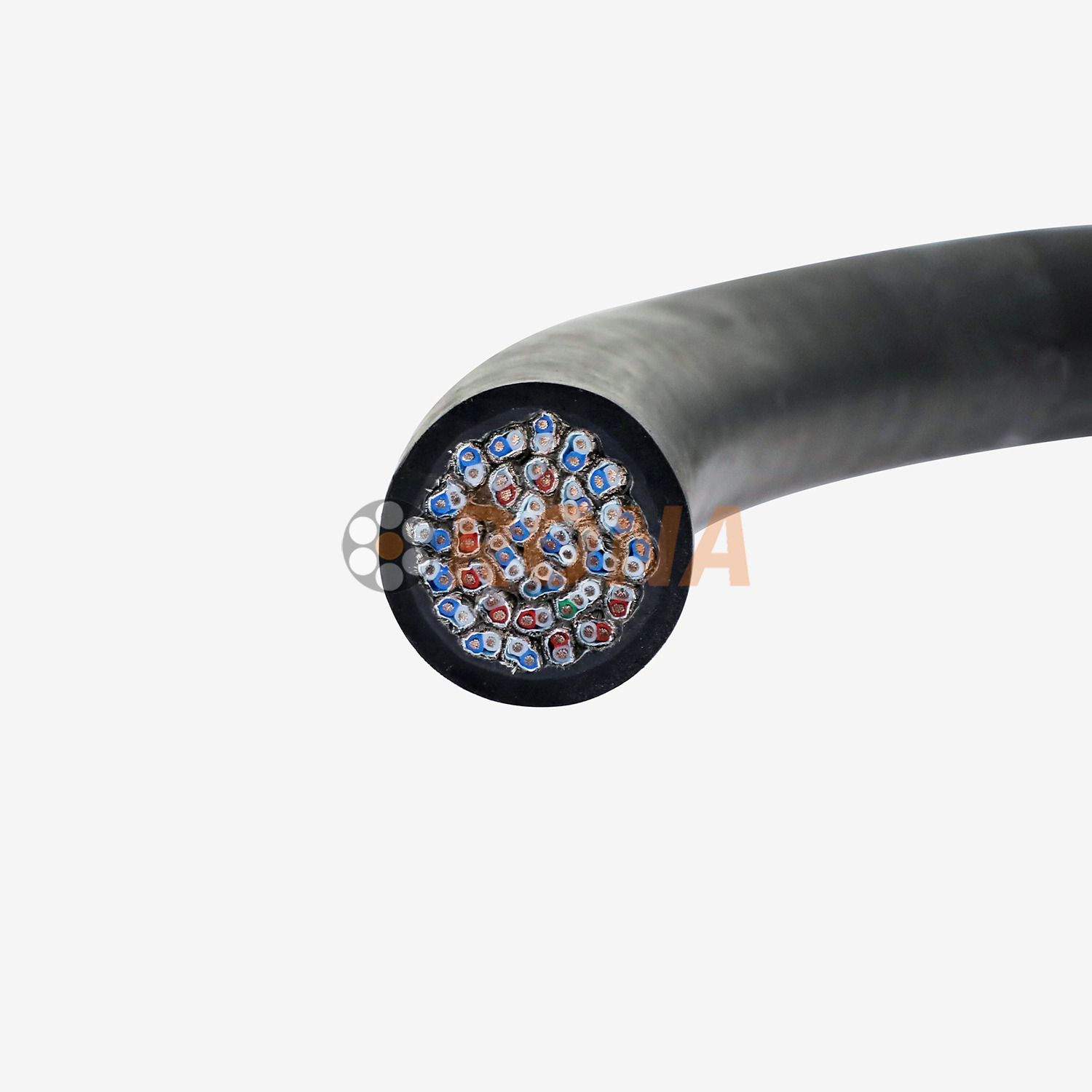
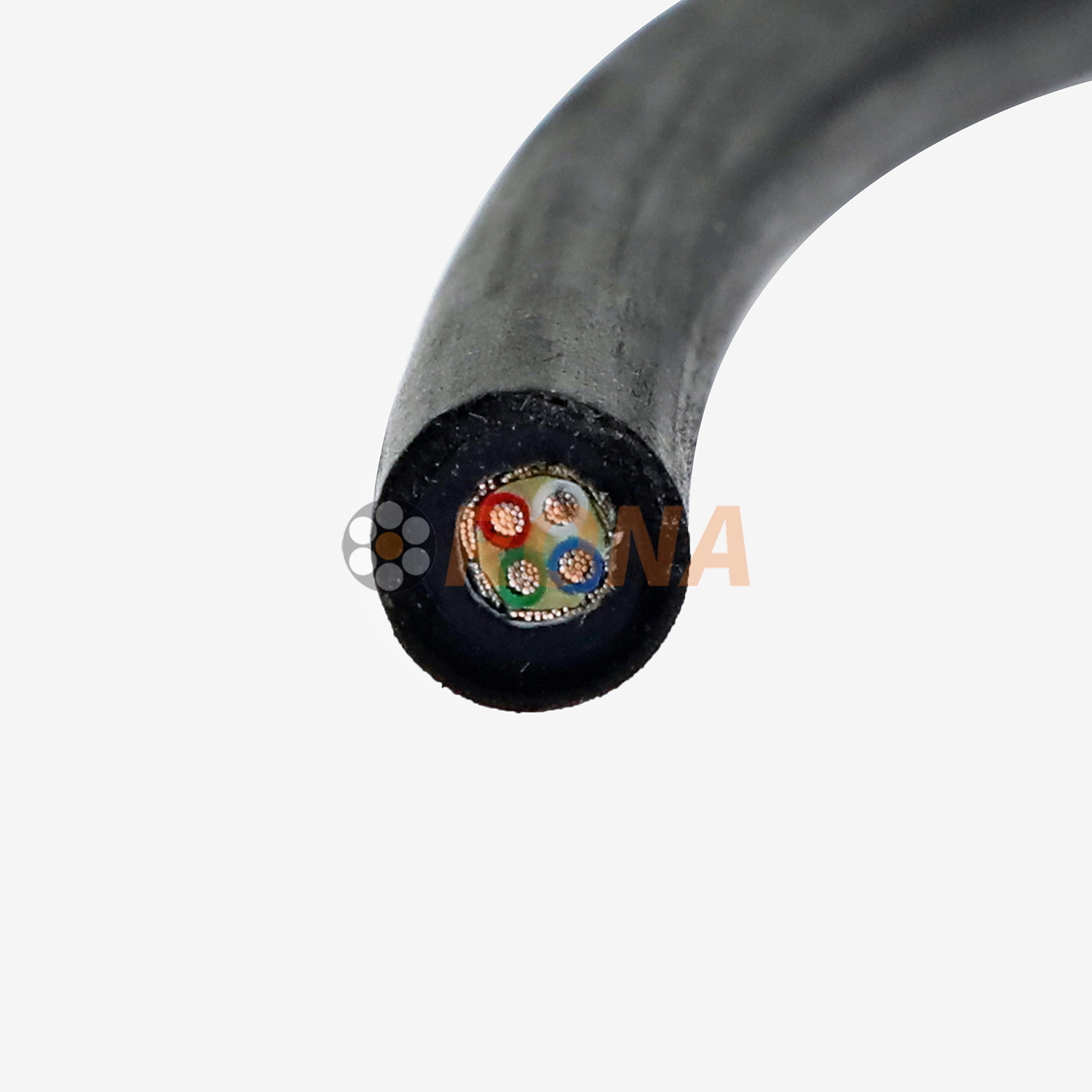
A watertight cable is designed to prevent or restrict water from entering and spreading through the cable. Unlike a basic waterproof cable that mainly relies on its outer sheath, a watertight cable may also contain internal water-blocking materials.
Common structural features include:
Tinned copper conductors
Water-resistant insulation
Rubber or PUR outer sheaths
Water-blocking tapes, yarns, or filling compounds
Shielding for stable signal transmission
Reinforcement for tensile and mechanical loads
The required construction depends on the application. A cable fixed to an underwater sensor has different requirements from a flexible tether that moves continuously with an ROV.
RONA watertight cables include transverse and longitudinal watertight constructions for marine engineering, underwater equipment, offshore monitoring, aquaculture, and industrial automation.
Waterproof and watertight are sometimes treated as identical terms, but there is an important practical difference.
A waterproof outer sheath helps stop water from entering under normal conditions. However, cables installed underwater may experience abrasion, crushing, pulling, repeated bending, or accidental damage. Once the outer sheath is cut, water can reach the conductors and travel through the spaces between cable components.
A watertight design provides additional internal protection. Water-blocking materials can limit the spread of moisture even if one section of the cable is damaged. This reduces the length of cable affected and lowers the risk of water reaching connected equipment.
Watertight performance does not mean that a cable is impossible to damage. Reliable operation still depends on correct cable selection, installation, connectors, terminations, and maintenance.
Watertight cables commonly use transverse or longitudinal water-blocking structures.
Cable type | Main function | Typical applications |
|---|---|---|
Transverse watertight cable | Helps prevent radial water penetration from the outside toward the cable cores | Underwater sensors, pumps, cameras, and control equipment |
Longitudinal watertight cable | Restricts water from travelling along the length of the cable | Long underwater cable routes, seabed instruments, and offshore systems |
Combined design | Provides both radial and longitudinal protection | Critical subsea equipment and demanding marine installations |
A transverse watertight cable focuses on preventing water from passing across the cable cross-section. A longitudinal watertight cable limits water migration along the cable after local damage.
For applications where failure could result in expensive downtime or difficult underwater repairs, both forms of protection may be required.
Water-blocking materials help stop water from traveling along a cable if its outer sheath is damaged. This can keep the affected area smaller and make repairs easier, especially offshore.
Tinned copper conductors offer improved corrosion resistance and flexibility. They still need effective insulation, water blocking, a suitable sheath, and sealed connections to operate reliably underwater.
Water intrusion can lower insulation resistance, cause electrical faults, and disrupt signals. Watertight construction protects the cable cores, while shielding can reduce interference from nearby equipment.
Underwater cables may face pulling, abrasion, impact, and repeated bending. A fixed seabed cable and a moving ROV tether therefore need different levels of strength and flexibility.
Greater depth means greater pressure on the cable and its connection points. Select the cable for the required depth and immersion period, and ensure its connectors, glands, and splices are rated for the same conditions.
ROVs use cables to transmit power, control commands, video, and data. Their cables may move continuously and be exposed to pulling forces, abrasion, and contact with underwater structures.
Depending on the system, an electrical-optical hybrid cable may combine power conductors and optical fibers. A neutrally buoyant construction may also help reduce the mechanical load caused by the cable’s weight in water.
Water-quality sensors, underwater cameras, seabed instruments, and environmental monitoring stations depend on reliable signal transmission. Water ingress may distort measurements, interrupt communication, or damage connected electronics.
Longitudinal water blocking is useful for long cable routes because it limits the distance that water can travel after local sheath damage.
Subsea instruments and offshore detection equipment may be exposed to saltwater, pressure, oils, chemicals, vibration, and temperature changes. Cables for these systems must be selected according to both environmental and electrical requirements.
Modern aquaculture facilities use underwater cameras, feeders, pumps, lights, and monitoring sensors. These devices often remain submerged for long periods and may be affected by water movement, biological growth, and frequent maintenance.
Flexible watertight cables help supply dependable power and control connections while reducing premature cable failure.
Ports, bridges, dams, floating structures, and other marine projects may require underwater power, lighting, monitoring, and communication connections. These applications can include both fixed and moving cable sections, making the correct structure and sheath material especially important.
The cable should be selected according to the complete operating environment rather than one specification alone.
Confirm whether the cable will carry power, control signals, data, optical signals, or several functions together. Important electrical details include:
Operating voltage and current
Conductor size and number of cores
Shielding requirements
Signal or communication type
Required optical fibers
Allowable voltage drop
A composite cable can combine different transmission functions, but it must be designed to control electrical interference and maintain mechanical balance.
Fixed installations usually emphasize long-term water blocking, pressure resistance, chemical resistance, and durability.
Moving applications require greater flexibility, fatigue resistance, suitable tensile strength, and a smaller bending radius. If the cable will be wound on a reel or used as a tether, the manufacturer should know the bending frequency, travel distance, speed, and mechanical load.
The surrounding environment should be assessed before selecting a watertight cable. Confirm whether the cable will be installed in freshwater or saltwater, determine the installation depth and expected water pressure, and clarify whether it will remain continuously submerged or only be exposed to water temporarily. The operating temperature, contact with oils or chemicals, ultraviolet exposure above the waterline, and the risk of abrasion, crushing, or impact must also be considered. For moving underwater systems, the cable design should account for tensile forces, vibration, repeated bending, water currents, and equipment movement. Providing these operating details allows the manufacturer to select suitable conductor materials, insulation, water-blocking structure, reinforcement, and outer sheath construction for the actual application.
Rubber sheaths can provide flexibility and resistance to demanding environmental conditions. PUR sheaths are often selected where abrasion resistance, mechanical durability, and flexibility are important.
No single material is suitable for every environment. Chemical exposure, temperature, movement, installation method, and maintenance conditions must all be considered.
For example, RONA’s RECH transverse watertight cable for underwater equipment is designed for low-voltage underwater applications and combines flexible conductors with a water-resistant structure.
Correct installation is essential for reliable underwater connections. Connectors, glands, penetrators, and splices must match the cable diameter, water pressure, and immersion conditions.
Strain relief should be installed near connectors so that pulling force does not act directly on electrical contacts. The cable should not be twisted, crushed, or bent below its minimum bending radius.
Before deployment, inspect the outer sheath and test conductor continuity and insulation resistance. Critical systems may also require immersion or pressure testing.
Regular inspections should check for cuts, abrasion, connector damage, corrosion, abnormal bending, and signs of leakage. Finding a small defect early can prevent a larger underwater system failure.
Generally, no. An outdoor cable may resist rain and sunlight, but that does not mean it can withstand continuous immersion or external water pressure.
No. The cable is only one part of the system. Connectors, terminations, glands, splices, and equipment enclosures must also meet the same underwater conditions.
Yes. A customized composite cable can combine power conductors, control cores, signal pairs, or optical fibers, depending on the application.
Neither is automatically better. Transverse water blocking helps prevent radial water entry, while longitudinal water blocking limits water movement along the cable. The correct choice depends on the installation and level of risk.
Watertight cables help ensure reliable underwater connections by limiting water penetration, protecting conductors, maintaining electrical performance, and reducing the risk of corrosion and system failure.
Selecting the right cable requires careful consideration of depth, pressure, movement, tensile force, bending radius, temperature, chemical exposure, electrical load, and signal requirements. Connectors and terminations must also be compatible with the cable and operating environment.
With the correct transverse, longitudinal, or combined watertight structure, marine and offshore operators can improve system reliability, reduce maintenance costs, and extend the service life of underwater electrical equipment.