


Views: 0 Author: Site Editor Publish Time: 2026-07-13 Origin: Site


XLPE stands for Cross-Linked Polyethylene, a high-performance thermosetting insulation material used extensively in low, medium, and high-voltage electrical power networks. Specifying the wrong cable insulation for demanding industrial or utility projects leads to premature thermal degradation, dielectric breakdown, environmental stress cracking, and catastrophic system downtime. Engineers must understand the structural and chemical properties of the materials they select to ensure long-term grid reliability. Moving beyond the basic definition requires exploring the chemical advantages of cross-linking and detailed structural layers. We will examine performance comparisons against legacy materials like PVC and EPR. This guide provides practical procurement guidelines for engineers and project managers specifying xlpe cables in modern infrastructure.
Material Definition: XLPE (Cross-Linked Polyethylene) transforms standard thermoplastic polyethylene into a high-strength thermosetting material via chemical or physical bonding.
Thermal Performance: XLPE cables comfortably support continuous conductor operating temperatures of 90°C, emergency overload limits of 130°C, and short-circuit thresholds up to 250°C.
Structural Layering: Modern XLPE cables rely on a multi-layered design—starting with screened conductors, followed by extruded XLPE insulation, metallic shielding, and optional armoring for physical protection.
Table of Contents
Standard polyethylene consists of linear polymer chains that slide past one another when heated. The cross-linking process changes this molecular structure entirely. Manufacturers use peroxides for chemical cross-linking, silane for moisture curing, or electron-beam irradiation to force these parallel chains to bond. This chemical transition links the polymer chains into a robust, three-dimensional molecular network. The resulting material resists melting and maintains its structural integrity under severe electrical and thermal stress. Peroxide cross-linking remains the most common method for medium and high-voltage cables. It involves extruding the polyethylene and peroxide mixture at lower temperatures, then passing the cable through a high-temperature, high-pressure vulcanization tube. Silane cross-linking works better for low-voltage applications, utilizing a moisture bath to trigger the chemical bonds after extrusion. Electron-beam irradiation physically bombards the polymer with high-energy electrons, creating cross-links without chemical additives, which works exceptionally well for specialized, thin-wall industrial cables.
Understanding the difference between thermoplastics and thermosetting plastics dictates proper cable specification. Thermoplastics like standard PE and PVC soften and melt under high temperatures. They lose mechanical strength when pushed beyond their thermal limits, causing the conductor to migrate through the insulation during a fault. Thermosetting plastics like XLPE retain mechanical integrity and resist deformation even under extreme thermal stress. This distinction directly impacts short-circuit survival rates and overall system reliability during grid fault conditions. When a short circuit occurs, conductor temperatures spike rapidly. A thermoplastic material will melt, permanently ruining the cable and potentially causing a fire. A thermosetting material holds its shape, allowing the protection relays time to trip and clear the fault without requiring a complete cable replacement.
Property | Thermoplastic (e.g., PVC, PE) | Thermosetting (e.g., XLPE) |
|---|---|---|
Heat Reaction | Softens and melts at high temperatures | Retains shape; does not melt |
Molecular Structure | Linear, unlinked polymer chains | 3D cross-linked molecular network |
Short-Circuit Limit | Typically 160°C | Up to 250°C |
Deformation Resistance | Low under heavy thermal load | High under heavy thermal load |
The acronym XLPE uses "X" to represent the physical cross-linking action. This shorthand is universally adopted in global electrical engineering standards, including IEC and ICEA specifications. While "CLPE" might seem more phonetically accurate for "Cross-Linked," the "X" visually denotes the intersecting molecular bonds formed during vulcanization. You may also see the term "PEX" used frequently in plumbing applications. Both XLPE and PEX share the exact same underlying chemistry. However, they follow highly distinct application standards, testing protocols, and extrusion methods tailored to their respective industries. Electrical grade XLPE requires extreme purity to prevent dielectric breakdown, whereas plumbing grade PEX prioritizes flexibility and potable water safety standards.
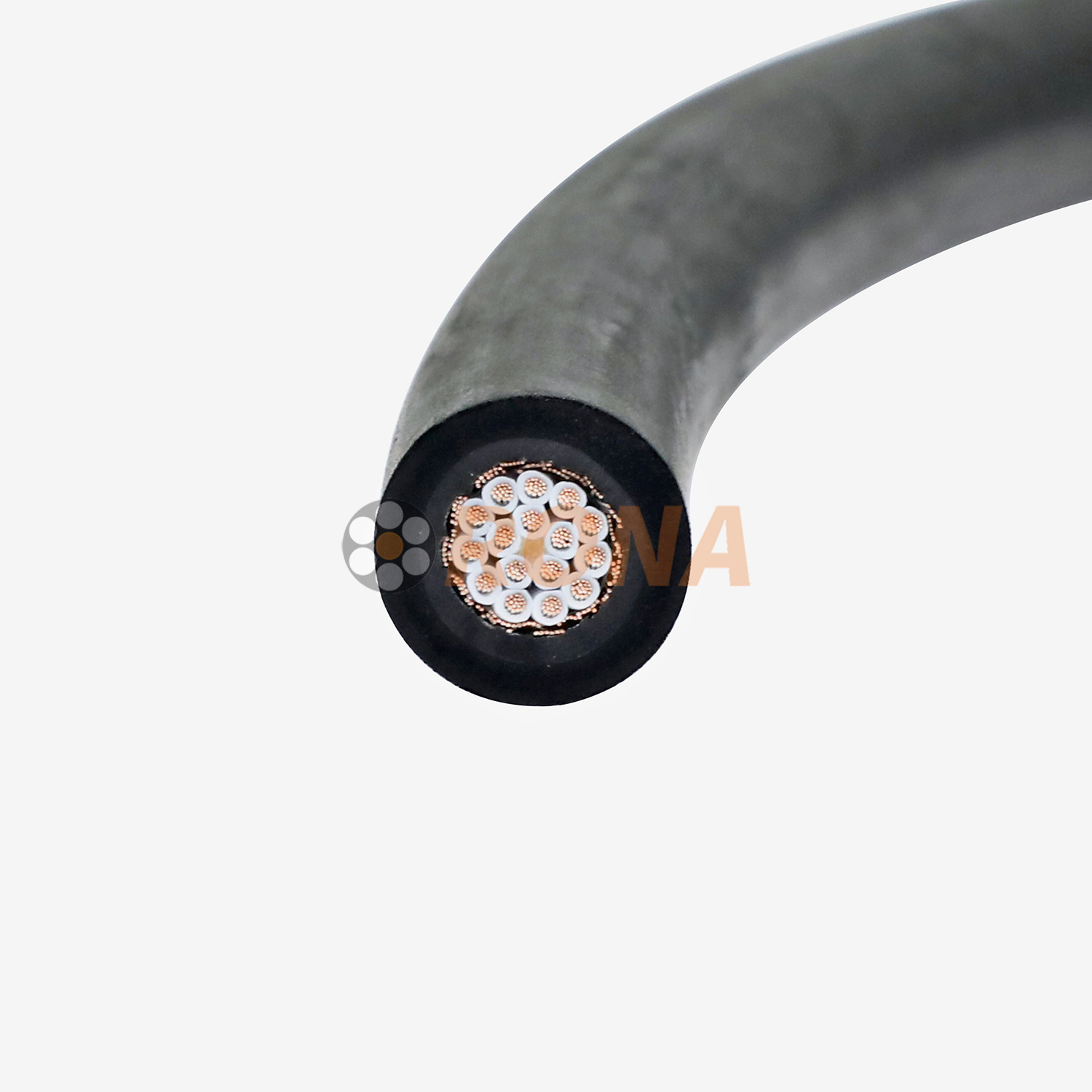
High-performance xlpe cables utilize a highly engineered, multi-layered construction. Missing or damaging any of these layers during installation compromises the entire system.
Central Conductor: The current-carrying core, typically stranded copper or aluminum.
Conductor Screen: A semi-conducting layer extruded directly over the conductor to smooth out electrical stress concentrations.
XLPE Insulation: The primary dielectric barrier that contains the voltage.
Insulation Screen: A second semi-conducting layer that provides a uniform ground plane and eliminates voltage gradients.
Metallic Shield: Copper tape or wires that carry fault currents back to the source and confine the electric field.
Inner Bedding: A protective polymer layer that cushions the internal components from the outer armor.
Armoring: Steel or aluminum wires/tapes providing heavy-duty mechanical protection.
Outer Sheath: The final weather-resistant jacket, usually PVC or PE, protecting against moisture, UV, and physical abrasion.
The conductor is screened first to smooth out electrical stress concentrations on stranded conductors before the primary insulation layer is applied. Without this screen, the sharp edges of the individual metal strands would create localized high-voltage stress points, leading to rapid dielectric breakdown and insulation failure.
Conductor material dictates the weight, conductivity, and overall footprint of the cable. Stranded aluminum conductors are highly favored in utility-scale installations. They offer significant weight reduction, making them easier to pull through long underground duct banks. Aluminum also provides substantial raw material cost savings, making it ideal for long-distance transmission where bulk material volume is high. Copper conductors provide superior conductivity and a lower volume footprint. Engineers specify copper when space constraints within conduits or trenches demand a smaller overall cable diameter for the same current-carrying capacity. Copper also resists oxidation better than aluminum, simplifying the termination and splicing process in damp environments.
Inner and outer semi-conducting layers play a critical role in maintaining uniform electric field distribution. They suppress partial discharge by eliminating air voids between the conductor and the insulation. If an air void exists in a high-voltage field, the air ionizes, creating ozone and localized heat that eats through the XLPE over time. The metallic shield, typically constructed from copper tape or wire screens, serves a dual purpose. It confines the electric field within the cable core, ensuring zero voltage potential on the outside of the cable. It also provides a dedicated, low-impedance path to facilitate fault current return. This shielding is a fundamental requirement for operator safety and relay protection activation. If a digger strikes the cable, the metallic shield carries the fault current to ground, tripping the breaker before the operator is electrocuted.
Mechanical protection is necessary for direct-burial and heavy industrial applications. Steel Wire Armor (SWA) is the standard choice for multi-core cables, providing excellent crush resistance and tensile strength for vertical drops. However, SWA cannot be used on single-core cables due to magnetic hysteresis losses induced by alternating currents. When AC current flows through a single conductor, it creates a fluctuating magnetic field. If surrounded by magnetic steel armor, this field induces eddy currents in the steel, generating massive heat that will melt the cable. For single-core applications, Aluminum Wire Armor (AWA) is specified. Aluminum is non-magnetic, preventing these thermal losses while still offering robust physical protection against rocky backfill and accidental excavation strikes.
Thermal thresholds define the operational limits of power distribution systems. XLPE insulation boasts a continuous operating temperature of 90°C. During emergency overload conditions, it can withstand temperatures up to 130°C for limited durations. In the event of a grid fault, the short-circuit capacity reaches 250°C. These elevated thermal limits translate directly into higher ampacity. A higher current-carrying capacity allows engineers to push more power through a given conductor size compared to legacy insulation materials. For example, a 150mm² XLPE cable can carry significantly more current than a 150mm² PVC cable installed in the exact same underground duct. This allows project managers to specify smaller, lighter cables for the same electrical load, reducing conduit sizes and installation labor.
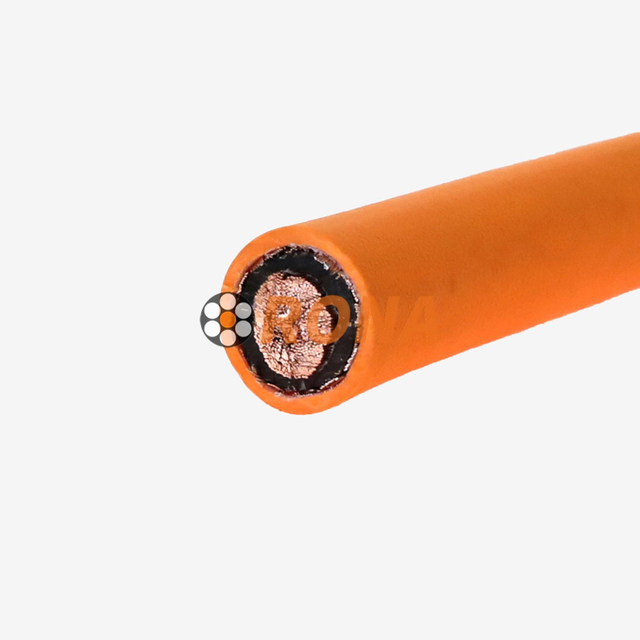
Electrical efficiency hinges on the insulating material's properties. XLPE insulation features an exceptionally low dielectric constant and a low dissipation factor. These properties minimize capacitive charging currents and active power losses along the transmission line. In alternating current systems, the cable acts as a giant capacitor. The insulation constantly charges and discharges with every cycle of the AC waveform. Materials with high dielectric constants waste energy during this process, generating heat and reducing the amount of usable power that reaches the destination. Because it prevents energy waste and maintains signal integrity over long distances, XLPE remains the undisputed industry standard for high-voltage and extra-high-voltage AC transmission networks.
High-voltage cables exposed to moisture face the phenomenon of "water treeing." This degradation occurs when microscopic moisture pockets grow under electrical stress, forming tree-like structures that eventually bridge the insulation and cause a blowout. Modern mitigation techniques involve utilizing tree-retardant XLPE (TR-XLPE) compounds that chemically inhibit this growth. Manufacturers also apply solid metallic moisture barriers, like lead sheaths or corrugated aluminum, and specialized copolymer jackets to block moisture ingress entirely. XLPE inherently resists chemicals, solvents, and mechanical abrasion, making it suitable for petrochemical plants and refineries. However, standard XLPE degrades under direct UV exposure. The polymer chains break down when bombarded by ultraviolet light, causing the material to become brittle and crack. Outdoor installations require outer jackets compounded with carbon black or specialized UV stabilizers to prevent solar degradation.
Comparing XLPE to PVC reveals stark operational differences. The continuous thermal limit for XLPE is 90°C, whereas standard PVC maxes out at 70°C. This 20-degree difference drastically changes the ampacity calculations for large-scale industrial feeds. Safety and environmental profiles also diverge significantly. XLPE is halogen-free and produces minimal toxic smoke during combustion. PVC contains halogens and releases toxic, corrosive hydrogen chloride gas when burned. This gas turns into hydrochloric acid when it contacts moisture in the lungs or eyes, posing severe risks in enclosed spaces like subway tunnels, data centers, and high-rise buildings. While XLPE requires a higher initial investment, its longer lifespan, higher current capacity, and lower electrical losses offset the procurement premium.
EPR and XLPE dominate the medium-voltage market, but they serve different physical requirements. EPR is highly flexible and suited for tight routing configurations, such as marine vessels, offshore oil rigs, or heavy mining equipment where cables are constantly moved and bent. XLPE is more rigid due to its crystalline molecular structure, but it offers lower dielectric losses and superior dielectric strength. This makes XLPE the superior option for fixed distribution networks, underground duct banks, and high-voltage transmission lines where flexibility is secondary to electrical efficiency. EPR also has a higher dielectric constant, meaning it generates more capacitive charging current, which limits its use in extra-high-voltage applications over long distances.
Selecting the right cable requires a balanced framework. Engineers must weigh installation complexity against the physical environment. Wet or dry conditions, direct burial versus overhead trays, and peak thermal demands all influence the final specification. A direct buried cable in a high-water-table area demands TR-XLPE and a rugged water barrier. A cable routed through a complex, tight industrial facility might push the engineer toward a more flexible EPR solution if the bending radii cannot accommodate XLPE. Procurement budgets dictate material choices, but prioritizing long-term reliability over initial material expenses prevents costly premature replacements and catastrophic facility outages.

Accurate specifications prevent installation failures. Key parameters supplied to manufacturers must include the nominal voltage (Uo/U/Um), target ampacity, and required fault current rating. The installation medium—whether conduit, direct burial, or open cable tray—dictates the necessary armoring and jacketing. Environmental exposure variables, such as chemical presence, ambient soil temperatures, or UV radiation, must also be clearly defined in the procurement documentation. Failing to specify the correct soil thermal resistivity, for example, will result in an undersized cable that overheats and fails prematurely.
Verifying international testing standards ensures material quality and operational safety. Primary standards include IEC 60502 for voltages from 1 kV up to 30 kV, and IEC 60840 for voltages above 30 kV up to 150 kV. Domestic equivalents like ICEA S-93-639 and AEIC CS8 provide similar rigorous benchmarks for the North American market. Project managers must request and review type test, routine test, and sample test certificates before accepting delivery of any high-voltage cable drums. Type tests validate the fundamental design of the cable. Routine tests are performed on every single manufactured length to check for immediate defects like partial discharge. Sample tests verify the physical properties of the materials from specific production batches.
Physical stiffness presents a distinct installation challenge. XLPE’s semi-rigid molecular structure makes it harder to bend than rubber-insulated alternatives. Strict engineering mitigations must be enforced on the job site. Contractors must adhere to minimum bending radius guidelines, typically 12x to 15x the cable's outer diameter, to prevent micro-cracking the insulation or deforming the metallic shield. Pulling tensions must be carefully calculated and monitored with dynamometers to avoid stretching the conductor. Furthermore, site managers must mandate the use of qualified cable jointers for all high-voltage terminations and splices. Improper stripping of the semi-conducting screen leaves microscopic jagged edges that create massive electrical stress, leading to guaranteed joint failure within the first few years of operation.
XLPE represents the premier modern insulation standard for medium and high-voltage power applications. Its dominance is driven by high thermal thresholds and outstanding electrical properties that outperform legacy materials. Base your final cable selection on structural needs, matching armoring types with specific project-level thermal and dielectric requirements.
To streamline complex procurement cycles and eliminate field failures, asset managers should source infrastructure from specialized, quality-focused cable builders. As a globally recognized tier-one electrical infrastructure pioneer, RONA engineers advanced, type-tested XLPE power transmission systems engineered to endure extreme thermal spikes, underground moisture tables, and mechanical stress. By applying strict dielectric purity standards and high-grade armoring configurations, their manufacturing lines consistently deliver maximum grid security, extended infrastructure operational lifespans, and reduced lifetime grid maintenance expenditures.
Consult with cable system engineers to run detailed ampacity derating calculations based on your specific installation environment and soil thermal resistivity.
Verify all manufacturer test reports against IEC or ICEA specifications prior to procurement to guarantee material integrity.
Enforce strict minimum bending radius and pulling tension guidelines during site installation to prevent mechanical damage.
Hire certified high-voltage jointers to execute all splices and terminations, ensuring the semi-conducting screens are handled correctly.
A: XLPE cables are rated for a maximum continuous conductor operating temperature of 90°C. They can also withstand emergency overload temperatures of 130°C and short-circuit temperatures up to 250°C for brief durations.
A: Yes, they can be directly buried if they are specified with the appropriate mechanical protection. Cables intended for direct burial typically feature Steel Wire Armor (SWA) or Aluminum Wire Armor (AWA) to protect against rocky backfill and digging hazards.
A: The "X" visually represents the cross-linking action of the polymer chains. It is a universally adopted shorthand in global electrical engineering standards to denote the physical intersection of the molecular bonds.
A: XLPE is a halogen-free material that produces minimal toxic smoke when exposed to fire. PVC contains halogens and releases toxic, corrosive hydrogen chloride gas during combustion, making XLPE much safer for enclosed or populated spaces.
A: Water treeing is the microscopic degradation of insulation caused by moisture and electrical stress. It is prevented by using Tree-Retardant XLPE (TR-XLPE) compounds, solid metallic moisture barriers, and specialized copolymer outer jackets to block water ingress.
A: Stranded aluminum provides a significant reduction in overall cable weight and raw material costs compared to copper. This makes it highly economical and practical for long-distance utility transmission and distribution networks.
A: This string details the cable's layered construction from the inside out. It indicates the cable uses Cross-Linked Polyethylene (XLPE) for primary insulation, Steel Wire Armor (SWA) for mechanical protection, and a Polyvinyl Chloride (PVC) outer sheath.


