

Views: 0 Author: Site Editor Publish Time: 2025-11-17 Origin: Site
Flexible cables—also known as flex cables, flexible electrical cables, or flexible conductors—play a vital role in countless modern electrical, electronic, industrial, marine, and automation systems. As industries increasingly shift toward smart manufacturing, robotics, offshore energy, and high-mobility machinery, the demand for cables capable of enduring continuous bending, torsion, vibration, and harsh environments has grown dramatically.
In this comprehensive guide, we will explore what flexible cable is, what flexible cable is used for, how it works, its types, specifications, installation guidelines, and expert advice for choosing the right cable for any application.
Whether you are an engineer, installer, maintenance technician, or industry buyer, this guide serves as a complete reference for understanding flexible cables and their real-world applications.
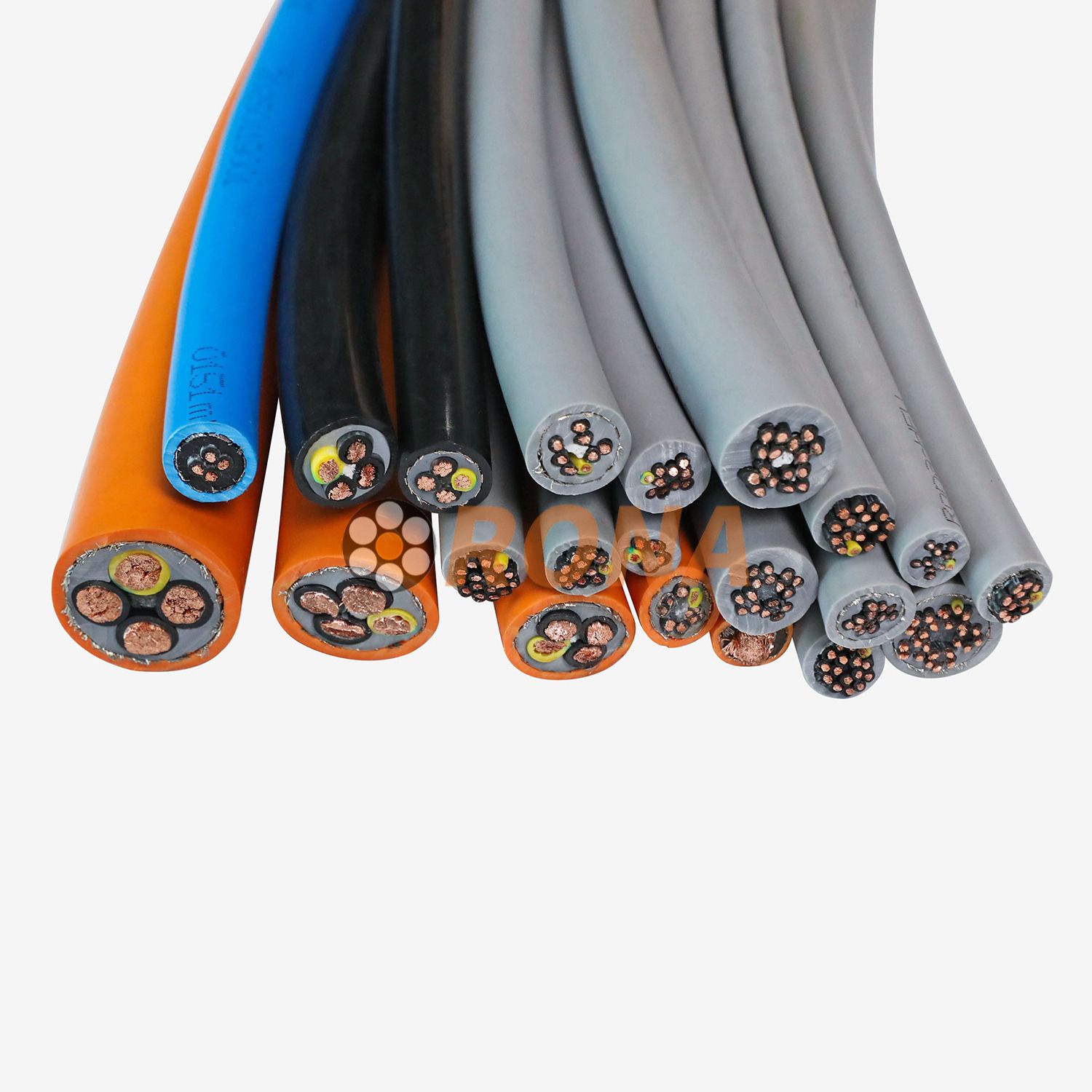
A flexible cable is an electrical cable designed to withstand frequent movement, bending, twisting, vibration, and mechanical stress without breaking. Unlike rigid cables, which use solid conductors, flexible cables are made with stranded copper wires, often in very fine gauges, to increase malleability and resistance to mechanical fatigue.
A typical flexible cable includes:
Stranded copper conductor (Class 5, Class 6, or ultra-fine strands)
Insulation (PVC, rubber, silicone, HEPR, polypropylene, etc.)
Aramid Fillers & separators (fibers, fleece, PTFE, PP tapes)
Outer sheath (PVC, PUR, TPE, rubber)
Optional Shielded (Braided Shield or foil shield)
This multi-layer design ensures the cable remains functional even when subjected to millions of bending cycles.
| Feature | Flexible Cable | Rigid Cable |
|---|---|---|
| Conductor | Stranded | Solid or multi-strand but stiffer |
| Bend Radius | Smaller, highly flexible | Larger, not suitable for movement |
| Motion Capability | High bending, torsion, drag-chain usage | Suitable only for fixed installation |
| Applications | Robotics, automation, machinery, tools | Walls, buildings, stationary wiring |
Based on RONA Cable’s industry classification and globalcable application standards, flexible cables are used across four major sectors:
Marine & Subsea, Intelligent Manufacturing, Heavy Industry, and Special Construction Machinery.
Below is a detailed breakdown of how flexible cables serve each environment.
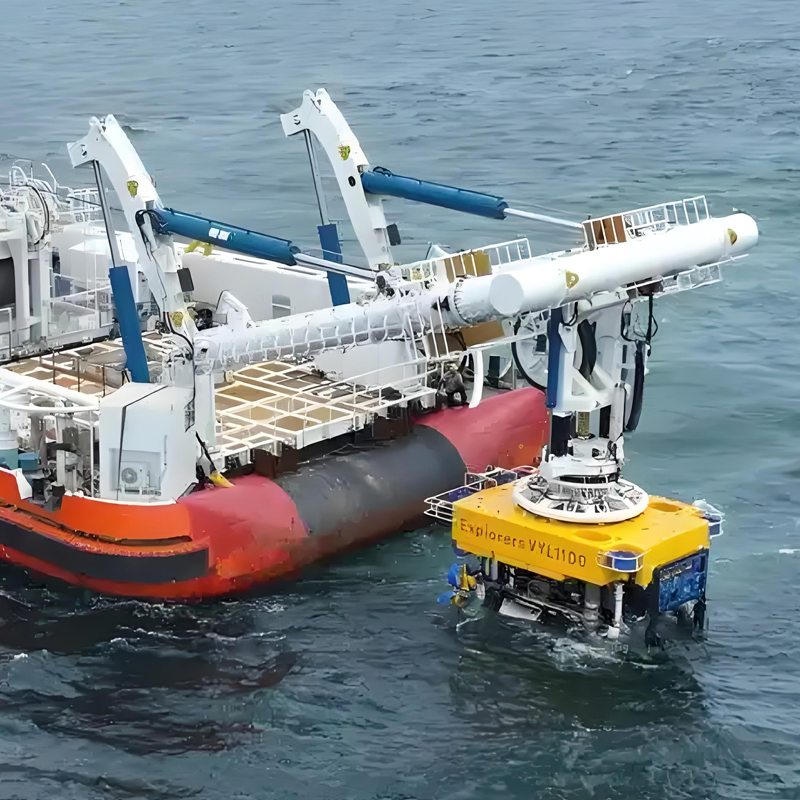
Marine and offshore environments impose harsh conditions including salinity, moisture, hydrostatic pressure, wave-induced motion, UV exposure, and constant mechanical stress. Flexible cables are engineered to survive these challenges.
Offshore wind turbine nacelles (frequent torsion during rotation)
Subsea power transmission & underwater robotics
Oil & gas offshore platforms
Port cranes, ship-to-shore equipment, and harbor systems
Marine vessels, yachts, offshore service ships
Aquaculture & fish farming monitoring systems
Hydro-power stations and water conservancy installations
High water resistance & submersion capability
Resistance to salt water, chemicals, corrosion
High mechanical strength for cable reels and mooring systems
Suitability for dynamic loads caused by waves, wind, and machinery
UV and weather-resistant outer jackets
Industries like offshore energy and port logistics rely heavily on high-flexibility marine cables due to constant motion and environmental exposure.
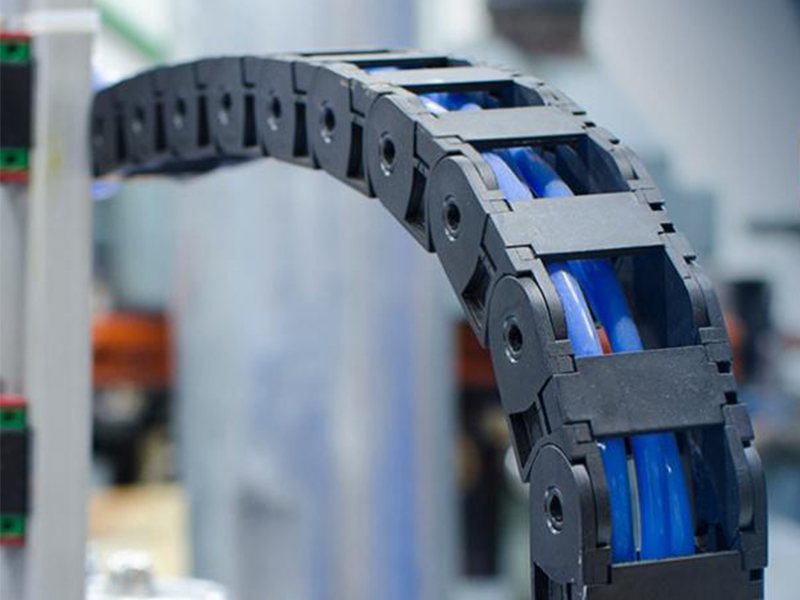
Modern factories demand cables capable of supporting high-precision, high-speed, and repetitive movement. Flexible cables are the backbone of Industry 4.0 systems.
CNC machine tools, laser cutters, milling machines
Industrial robotic arms
Automated Guided Vehicles (AGVs) & AMRs
Drag-chain / cable-carrier systems
Pick-and-place equipment
Glass processing, woodworking, metal fabrication systems
Automotive assembly line robotics & sensors
Support millions of bending cycles without failure
Offer torsion resistance (up to 180°/m or 360°/m)
Provide high-speed data transmission for servo motors and control systems
Resistant to cutting fluids, oils, and industrial chemicals
Reduce downtime by preventing premature cable breakage
In Industry 4.0 automation, a single cable failure can halt production. Therefore, selecting the right flex cable is crucial.
Heavy industry environments involve high temperatures, harsh chemicals, dust, vibration, abrasion, and high mechanical loads. Flexible cables for these settings must meet extreme durability standards.
Steel and metal plants
Foundries and smelting workshops
Power plants and biomass facilities
Waste-to-energy incinerators
Tunnel Boring Machines (TBM)
Mining conveyor systems
Petrochemical processing plants
Coal handling and bulk processing
Heat-resistant insulation (HEPR, silicone)
Highly abrasion-resistant PUR jackets
Flame-retardant, halogen-free, fire-safe designs
Oil, chemical, and solvent resistance
High mechanical strength for tension and impact
Heavy industry requires cables that withstand constant operational abuse while maintaining electrical integrity.
Construction machinery operates under intense vibration, irregular movement, outdoor exposure, and heavy loads. These machines require flexible cables that can handle constant motion and environmental stress.
Cranes: tower cranes, gantry cranes, RTG/STS, harbor cranes
Forklifts, reach stackers, container handlers
Excavators, tunneling equipment, drilling rigs
Road machinery: pavers, rollers, milling machines
Concrete pumps & high-altitude lifting platforms
Bridge inspection vehicles, maintenance trucks
Excellent reeling and unreeling performance
Stable electrical connectivity under heavy vibration
Outdoor-rated jackets for UV and weather resistance
High tensile strength for vertical lifting systems
Robust design to avoid insulation cracking and copper fatigue
Construction sites rely on rugged, flexible cable to ensure safety, reliability, and long service life on mobile machines.
There are many categories of flexible cables, each designed for specific environments and performance needs.
Used to deliver electrical power in machinery, tools, and mobile systems.
Carries low-voltage signals in automation lines, control cabinets, servo systems.
Ribbon-like cable used in laptops, smartphones, printing devices.
Used in RF, audio/video transmission, digital communication.
For high-mobility industrial networking environments.
Provides superior mechanical protection with steel armor.
Engineered for combined bending + torsion in robotics.
Mining cable
Marine cable
High-temperature silicone cable
Welding cable
Crane reeling cable
Elevator cable
Flexible cable looks simple, but the way it works comes from several engineering choices inside the cable. Each layer helps it survive bending, twisting, vibration, and high-speed motion. Below is a clear breakdown of the major technical features that make a flexible cable “flexible” and reliable.
Inside a flexible cable, the copper isn’t one solid piece. It’s made of many tiny strands twisted together. These strands bend easily, and they don’t crack under repeated motion.
Class 5 → common flexible conductors
Class 6 → extra-flexible conductors used in robotics
Ultra-fine wires → found in high-duty drag-chain or torsion cables
Here’s a quick comparison:
| Conductor Class | Strand Size | Flexibility | Typical Use |
|---|---|---|---|
| Class 2 | Medium | Low | Fixed wiring |
| Class 5 | Fine | High | Portable tools, machinery |
| Class 6 | Very fine | Very high | Robots, drag chains |
More strands = better bending life. A cable using ultra-fine copper can bend millions of times before breaking.
These layers protect the conductors from heat, chemicals, and mechanical damage. Each material works differently.
PVC – everyday machines, basic flexibility
Rubber – good for outdoor tools, stable in cold
TPE / PUR – excellent for drag chains, very tough
Silicone – high-temperature zones
XLPE / HEPR – better electrical and heat performance
Here’s a quick look at insulation behavior:
| Material | Temp Range | Flexibility | Resistance Level |
|---|---|---|---|
| PVC | -15°C to 70°C | Medium | Basic oils / abrasion |
| Rubber | -25°C to 90°C | High | Vibration and cold |
| PUR | -40°C to 90°C | Very high | Abrasion, cuts, oil |
| Silicone | -60°C to 200°C | High | Extreme heat |
Cable designers pick insulation based on where the cable lives: cold rooms, factory robots, outdoor cranes, or even marine systems.
Flexible cables often include tapes, fillers, and sliding wraps. These keep everything aligned, even when the cable bends or twists all day.
They usually include:
anti-friction fleece
PP or PTFE tape
cotton or textile fillers
synthetic ropes for shape stability
These parts help the conductors slide smoothly instead of rubbing harshly. Less friction → longer life.
Every flexible cable has a minimum bend radius. Bend it too tightly, it can fatigue or break early.
A simple rule engineers use:
Static bending: ~ 6 × cable diameter
Dynamic bending: ~ 7.5–10 × cable diameter
Extreme flex (drag chain): manufacturer-specified radius
Example:
A 10 mm cable often needs 60–100 mm minimum bending space in motion systems.
Small radius → higher stress → shorter cable life.
Some machines twist instead of bend. Robots, wind turbines, rotating platforms—these require cables that survive torsion.
Common torsion specs:
±180°/m
±360°/m for industrial robots
Up to ±720°/m for special robotic applications
A torsion-rated cable uses:
softer insulation
special strand bunching
sliding layers
round and balanced geometry
This keeps the internal copper from spiraling or tearing under rotation.
Select a size that meets or exceeds the system’s amp requirement.
Example: 1.5 mm² = up to ~16 A ; 2.5 mm² = up to ~25 A (varies by environment)
450/750 V (general installations)
0.6/1 kV (industrial & outdoor machinery)
Choose insulation based on temperature conditions:
PVC: 70°C
HEPR: 90°C
Silicone: up to 200°C
Check for:
Oil
Chemical
UV
Water/sea water
Abrasion
Cold weather
IEC 60332-1 flame retardant
Halogen-free LSHF cables for public spaces
CE
UL
RoHS
ABNT / NBR 5410
IEC standards
Flexible cable is not recommended for:
Permanent fixed installation inside building walls
Ultra-high temperature furnaces unless using silicone cable
Extremely heavy static loads without mechanical reinforcement
Environments requiring fire-resistant cable when flex cable lacks certification
Ideal for moving equipment, robotic joints, drag chains.
Withstands vibration, bending, torsion, abrasion.
Suitable for a broad range of industries and environments.
Reduces risk of conductor breakage, short-circuits, and electrical failures.
Use correct ampacity and voltage ratings based on NBR 5410 or IEC standards.
Follow maximum fill ratio (typically 40%)
Avoid sharp bends
Maintain manufacturer-recommended bending radius to prevent fatigue.
Use proper ferrules, lugs, and strain-relief clamps.
Check outer jacket for cracks, cuts, or wear
Test insulation resistance
Look for copper fatigue or exposed conductors
Overheating
Abrasion
Conductor breakage due to excessive bending
Periodic inspection
Lubrication in cable-carrier systems
Replace cables before fatigue failure occurs
Q: What happens if a flex cable breaks?
A: It disrupts electrical continuity and may cause equipment failure or fire hazards.
Q: Can flexible cable be used for sockets?
A: Yes—if sized correctly (e.g., 2.5 mm²), but follow local electrical codes.
Q: Can flexible cable be used for fixed wiring?
A: Generally not recommended unless specifically rated.
Q: What size flexible cable for 16 amps?
A: Typically 1.5 mm², but confirm with manufacturer specs.
Q: Can a 16A device plug into a 32A socket?
A: No—it may cause overload or equipment damage.
Flexible cable is a foundational component in everything from robotics and manufacturing to offshore engineering and construction machinery. Its unique ability to withstand bending, torsion, and movement makes it indispensable for today’s dynamic electrical systems.
Choosing the right flexible cable ensures:
Longer equipment life
Fewer failures and downtime
Safer operation
Higher system efficiency
As automation, renewable energy, and smart manufacturing continue to expand globally, flexible cables will remain a critical part of the world’s electrical infrastructure.
If you need assistance selecting the right flexible cable for your application, feel free to ask—I'm here to help.


