


Views: 0 Author: Site Editor Publish Time: 2026-01-06 Origin: Site


Choosing the right cable can make or break your industrial project. With so many options available, how do you decide between PVC and PUR cables? In this article, we’ll explore the key differences, benefits, and applications of PVC Cable and PUR Cable, helping you make an informed choice tailored to your needs.
PVC, or Polyvinyl Chloride, is a widely used plastic in cable manufacturing. It’s known for its durability and versatility. PVC cables are commonly found in various industrial applications, including building wiring, lighting, and control systems. They are particularly suitable for environments where movement is minimal.
Key Features of PVC Cables:
● Flame-Retardant Properties: PVC cables are designed to resist ignition and slow down the spread of flames, making them safer for indoor installations.
● Chemical Resistance: These cables can withstand exposure to common cleaning agents such as sodium hypochlorite and hydrogen peroxide, which is crucial in hygiene-sensitive environments like food processing.
PUR, or Polyurethane, is another popular material used in cable production. It offers unique advantages, especially in dynamic applications. PUR cables are ideal for robotics, drag chains, and environments where flexibility and movement are essential. They perform exceptionally well in harsh conditions, making them suitable for automotive and machining industries.
Key Features of PUR Cables:
● Exceptional Flexibility: PUR cables maintain their flexibility even in low temperatures, which is vital for applications involving constant bending or twisting.
● Superior Chemical Resistance: These cables excel in resisting oils, cutting fluids, and harsh chemicals, ensuring longevity in demanding environments.
Feature | PVC Cable | PUR Cable |
Material | Polyvinyl Chloride (PVC) | Polyurethane (PUR) |
Applications | Building wiring, control systems | Robotics, drag chains, automotive |
Flexibility | Moderate | Excellent, even in cold conditions |
Chemical Resistance | Good against common cleaning agents | Outstanding against oils and harsh chemicals |
Understanding the differences between PVC and PUR cables is crucial for selecting the right type for your specific needs. Each type has its unique strengths, making them suitable for different applications. Whether you prioritize cost-effectiveness with PVC or require the advanced capabilities of PUR, knowing their characteristics helps you make an informed choice.
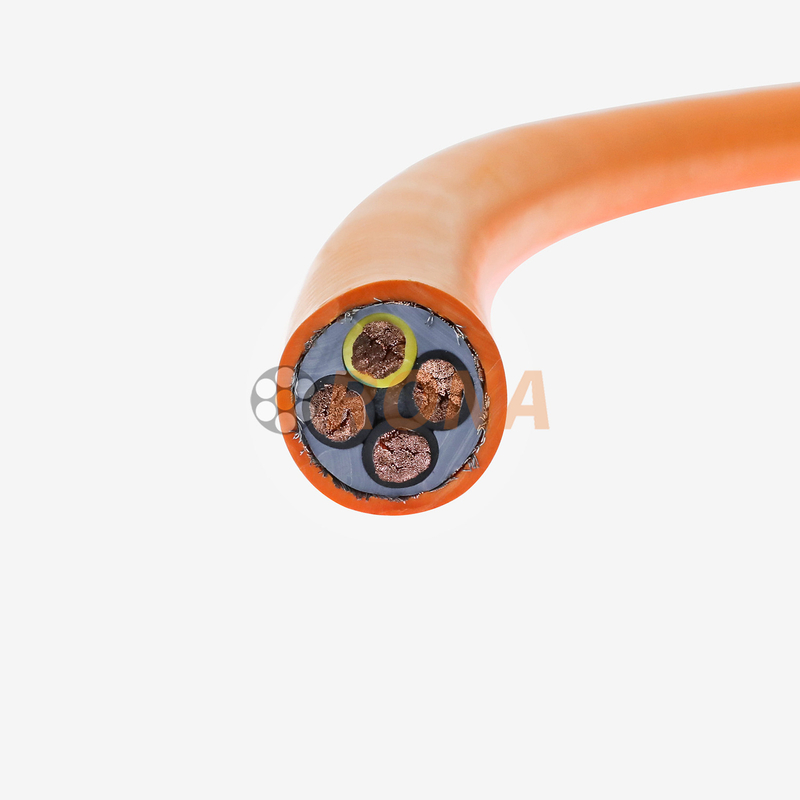
When comparing PVC and PUR cables, cost is often a primary concern. PVC cables are generally more affordable upfront, making them an attractive option for budget-conscious projects. However, PUR cables, while initially more expensive, can offer significant long-term savings. Their durability and resistance to wear can reduce replacement costs over time.
RONA Cable Co. provides competitive pricing for both cable types. Their large-scale production capabilities allow them to maintain lower prices without compromising quality. This means that whether you choose PVC or PUR, you can expect great value from RONA.
Flexibility is a crucial factor when selecting cables for dynamic applications. PUR cables excel in this area, providing exceptional flexibility even in cold temperatures. This makes them ideal for environments where constant movement occurs, such as robotics and drag chains. On the other hand, PVC cables are stiffer, which is suitable for fixed installations but may not withstand frequent bending.
Durability is another key consideration. PVC cables perform well in moderate conditions but may not hold up under severe mechanical stress or chemical exposure. In contrast, RONA's PUR cables are specifically designed for high-flex applications, ensuring they can endure harsh environments without compromising performance.
Both PVC and PUR cables have their strengths regarding environmental resistance. PVC cables show good resistance to common cleaning agents, making them suitable for hygiene-sensitive applications. However, they may struggle in extreme conditions.
PUR cables shine when it comes to oil and chemical resistance. They can withstand harsh chemicals and cutting fluids, making them perfect for automotive and industrial settings. RONA's PUR cables are engineered to resist these substances effectively, ensuring longevity and reliability in demanding environments.
Feature | PVC Cable | PUR Cable |
Initial Cost | Lower | Higher |
Lifecycle Cost | Moderate | Often lower due to durability |
Flexibility | Moderate | Excellent |
Durability | Good, but limited | Superior, designed for high-flex |
Chemical Resistance | Good against cleaning agents | Outstanding against harsh chemicals |
Safety is paramount in any industrial application. PVC cables are flame-retardant, providing an additional layer of safety in indoor environments. This characteristic helps slow down the spread of flames, making them a reliable choice for many applications.
On the other hand, PUR cables are halogen-free, meaning they do not release toxic gases when burned. This feature is crucial for projects requiring compliance with safety standards. RONA emphasizes its commitment to safety by adhering to strict certifications, ensuring their cables meet high safety standards. This dedication to safety is a significant factor when choosing between PVC and PUR cables.
PVC cables are an excellent choice for various static installations. They are commonly used in building wiring and lighting applications, where flexibility is not a primary concern. Their durability and cost-effectiveness make them suitable for environments with minimal movement, such as assembly lines.
For budget-conscious projects, RONA's PVC cables stand out as a reliable and economical solution. Their competitive pricing does not compromise quality, ensuring you get the best value for your investment.
Key Applications of PVC Cables:
● Building Wiring: Ideal for residential and commercial buildings.
● Lighting Fixtures: Perfect for indoor lighting setups.
● Control Systems: Used in various control panels where movement is limited.
PVC cables perform well in washdown environments, making them suitable for industries like food processing. They can withstand exposure to common cleaning agents, which is essential in maintaining hygiene standards.
When it comes to voltage ratings, RONA offers a range of PVC cables designed to meet various specifications. Typical voltage ratings for these cables can range from 300V to 600V, depending on the application.
Feature | Description |
Typical Voltage Ratings | 300V to 600V |
Environment Suitability | Washdown environments, static applications |
Chemical Resistance | Good against common cleaning agents |
RONA's PVC cables are engineered to provide reliable performance in these specific conditions, ensuring they meet industry standards while offering excellent durability and safety. Whether you're working on a new installation or upgrading existing systems, PVC cables can provide the performance and reliability you need.
PUR cables are the go-to choice for dynamic motion applications. They excel in environments requiring flexibility and resilience, such as robotics and drag chains. These cables are designed to withstand constant movement, making them perfect for applications where equipment is frequently in motion.
In addition, PUR cables perform exceptionally well in harsh environments, such as automotive and machining facilities. Their robust construction allows them to endure extreme conditions, including exposure to oils and cutting fluids. RONA's PUR cables are particularly recommended for cold environments, functioning effectively at temperatures as low as -40°C. This makes them suitable for outdoor use and other challenging settings.
Key Applications of PUR Cables:
● Robotics: Ideal for automated systems that require flexibility.
● Drag Chains: Perfect for applications with frequent movement.
● Automotive: Resilient in environments exposed to oils and chemicals.
One of the standout features of PUR cables is their exceptional chemical resistance. They are designed to withstand harsh substances found in machining facilities, ensuring longevity and reliability. This chemical resistance makes them a preferred choice in industries where exposure to aggressive materials is common.
When it comes to voltage ratings, RONA offers a variety of PUR cables tailored to meet specific needs. Typical voltage ratings for these cables can range from 300V to 600V, depending on the model and application.
Feature | Description |
Typical Voltage Ratings | 300V to 600V |
Environment Suitability | Harsh environments, dynamic applications |
Chemical Resistance | Excellent against oils and cutting fluids |
RONA's PUR cables are engineered to provide reliable performance in demanding conditions, ensuring they meet the rigorous standards of various industries. Whether you need a cable for a flexible robotic application or a durable solution for outdoor use, PUR cables are a top choice.
When deciding between PVC and PUR cables, the first step is to assess whether your application is fixed or dynamic. Fixed applications, like building wiring or lighting, typically require less flexibility, making PVC a suitable choice. In contrast, dynamic applications, such as robotics or drag chains, demand cables that can withstand constant movement.
Understanding the movement and flexibility required for your specific application is crucial. If the cable needs to bend frequently or endure repeated motion, PUR cables are likely the better option due to their superior flexibility.
Evaluating the operating environment is another critical factor in your cable choice. Factors such as temperature extremes, exposure to moisture, and potential chemical contact can significantly impact the performance of PVC and PUR cables.
For example, if your application involves washdown requirements, PUR cables excel because they can resist harsh cleaning agents. On the other hand, PVC cables might suffice in environments with minimal chemical exposure but may not hold up well in extreme conditions.
Feature | PVC Cable | PUR Cable |
Environmental Suitability | Moderate, limited chemical exposure | Excellent, suitable for harsh conditions |
Washdown Resistance | Good against common agents | Outstanding against oils and chemicals |
Assessing the mechanical stresses the cable will face is essential. This includes evaluating tensile strength and wear resistance. RONA's cables are designed for high-reliability applications, ensuring they can withstand the rigors of industrial use.
For applications with significant mechanical stress, PUR cables provide the durability needed to resist abrasion and wear. PVC cables, while durable in static applications, may not perform as well under high-stress conditions.
Voltage ratings are another important consideration. Both PVC and PUR cables typically offer voltage ratings ranging from 300V to 600V, depending on the model. It's essential to choose a cable that meets the specific voltage requirements of your application.
Additionally, consider the importance of shielding options for electromagnetic interference (EMI). PUR cables often come with better shielding capabilities, making them ideal for sensitive electronic applications where EMI could disrupt performance.
In summary, evaluating these key considerations—application scenario, environmental conditions, mechanical requirements, and voltage needs—will help you make an informed decision between PVC and PUR cables. Each type has its strengths, and understanding your specific requirements is vital to ensuring optimal performance.
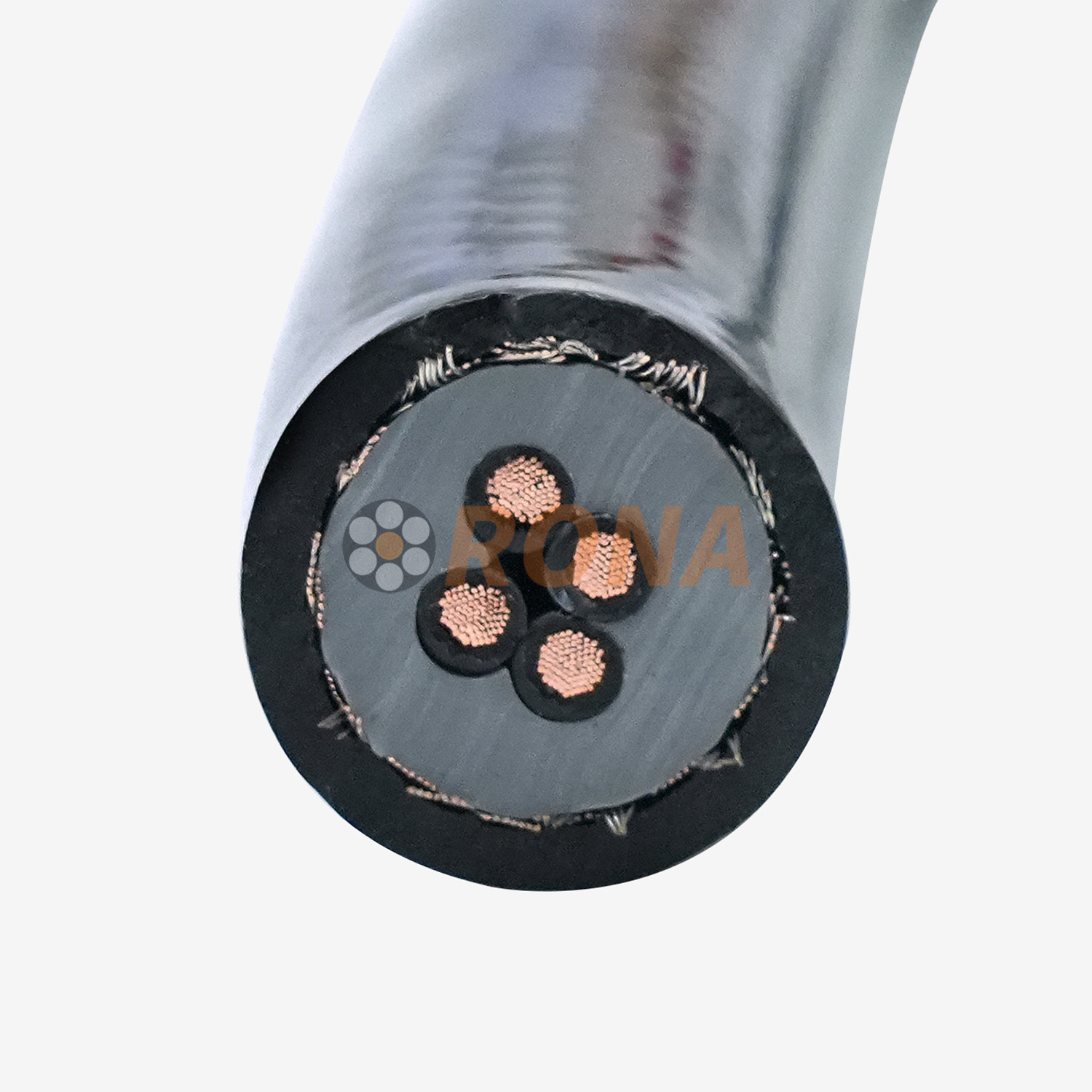
Since its establishment in 2011, RONA has rapidly evolved into a prominent player in the cable manufacturing industry. Starting as a small enterprise, RONA focused on producing high-quality cables tailored for various applications. Over the years, the company has built a solid reputation for reliability and innovation.
RONA's commitment to quality and customer satisfaction has driven its growth. By leveraging advanced manufacturing techniques and investing in research and development, RONA has continuously improved its product offerings to meet the demands of diverse markets.
One of the significant milestones in RONA's journey was the introduction of military and special cables. These products were designed to meet stringent industry standards, showcasing RONA's ability to cater to specialized markets. The development of these cables not only expanded the product line but also positioned RONA as a trusted supplier for critical applications.
Key Product Milestones:
● 2013: Launch of military-grade cables, meeting rigorous defense standards.
● 2015: Introduction of specialized cables for harsh industrial environments.
● 2018: Development of high-flex PUR cables for dynamic applications.
RONA's growth strategy included expanding into international markets. By 2016, the company began exporting its products to various countries, establishing a global presence. This expansion allowed RONA to tap into new customer bases and diversify its portfolio.
With a focus on high-reliability cable manufacturing, RONA has become a preferred supplier for industries such as automotive, aerospace, and robotics. Their dedication to producing cables that meet international quality standards has helped them gain recognition worldwide.
Year | Milestone | Impact |
2011 | Establishment of RONA | Foundation of a quality-focused company |
2013 | Launch of military-grade cables | Entry into specialized markets |
2016 | Expansion into international markets | Global reach and diversification |
2019 | Introduction of high-flex cables | Enhanced product offerings for dynamic needs |
Through these strategic developments and expansions, RONA has positioned itself as a leader in the cable manufacturing industry, continually adapting to meet the evolving needs of its customers.
In summary, PVC and PUR cables serve different purposes. PVC cables are ideal for static applications, while PUR cables excel in dynamic environments.
When choosing between them, consider your specific needs and applications. Think about factors like flexibility, environmental conditions, and mechanical requirements.
Take the time to evaluate all the discussed factors before making your decision. This will ensure you select the right cable for your project.
A: PVC cables are best for static applications, while PUR cables excel in dynamic environments due to their flexibility and durability.
A: PVC cables are generally not recommended for outdoor use, especially in harsh conditions, unlike PUR cables, which are designed for such environments.
A: If your application is sensitive to electromagnetic interference, a shielded cable is necessary to ensure optimal performance.
A: Yes, PUR cables are typically more expensive due to their advanced materials and enhanced performance features.
A: PVC cables usually last 10-20 years, while PUR cables can last longer due to their superior resistance to wear and environmental factors.


