

Have you ever wondered how underwater equipment stays connected? Marine cables are crucial for ensuring reliable power and data transmission in harsh maritime environments.
In this article, we’ll explore what marine cables are, their importance, and the role they play in offshore operations. You’ll also learn about RONA Marine Cables, a leader in this essential industry.
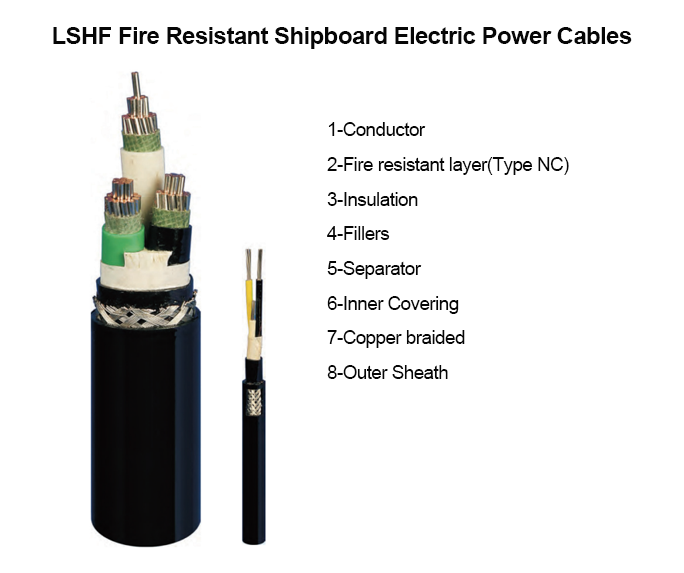
Marine cables are specially designed to withstand the harsh conditions of underwater environments. Their unique characteristics are essential for ensuring reliable power and data transmission in maritime applications. Let’s explore these key features in detail.
Corrosion is a significant concern for marine cables due to their constant exposure to saltwater and moisture. To combat this, many marine cables use tinned copper conductors. This protective coating prevents oxidation and prolongs the cable's lifespan, making them suitable for prolonged underwater use.
● How Corrosion Affects Performance: Corrosion can lead to increased electrical resistance, reduced conductivity, and eventual cable failure. Over time, it compromises the integrity of electrical connections, which can result in equipment malfunction or downtime. Therefore, using materials resistant to corrosion is crucial for maintaining performance and reliability in marine environments.
Flexibility is another vital characteristic of marine cables. The strand count plays a crucial role in this aspect. Cables with higher strand counts are inherently more flexible, allowing them to bend and move without breaking. This flexibility is particularly important in dynamic marine settings where cables are subject to continuous motion.
● Comparison with Standard Cables: Unlike standard cables, which may utilize solid conductors, marine cables' multi-strand construction enables them to endure the vibrations and movements typical in marine environments. This design is essential for applications like underwater robotics, towed sonar systems, and marine survey instruments, where repeated bending is a common scenario.
The insulation materials used in marine cables are designed to provide durability and protection against environmental factors. Common materials include PVC, XLPE, and rubber. Each of these materials has unique properties that enhance the cable's performance and longevity.
Insulation Material | Properties | Applications |
PVC | Good resistance to UV rays, oil, and chemicals | General marine applications |
XLPE | Excellent thermal stability and moisture resistance | High-voltage and underwater cables |
Rubber | High flexibility and abrasion resistance | Dynamic applications like robotics |
These materials not only protect against moisture but also resist oil, UV rays, and acids. This ensures that the cables remain functional even in extreme conditions, such as those found in deep-sea environments or near industrial operations.
Safety is paramount when it comes to marine cables. Many of these cables are designed to be flame retardant and produce low smoke in the event of a fire, which is crucial for the safety of crew members and equipment onboard vessels.
● Compliance with Safety Regulations: Marine cables must adhere to various safety standards, including those set by international organizations like the International Electrotechnical Commission (IEC) and the American Boat and Yacht Council (ABYC). Compliance with these regulations helps manufacturers like RONA maintain high-quality products that meet industry expectations. It ensures that the cables can operate reliably under different conditions, from extreme temperatures to high humidity.
When selecting marine cables, it’s essential to consider factors beyond just the basic characteristics. For example, the watertightness of cables is critical for underwater applications. Many marine cables are rated for different levels of water resistance, such as IPX-8, which allows them to be fully submerged without compromising functionality.
● Environmental Resistance: Marine cables are also designed to resist environmental stresses, including temperature fluctuations and mechanical wear. This is particularly important for cables used in dynamic applications where movement and abrasion are common.
In summary, marine cables are built to last, with features that ensure they perform well in challenging environments. Their corrosion resistance, flexibility, specialized insulation, and adherence to safety standards make them indispensable in maritime applications. As technology advances, manufacturers like RONA continue to innovate, ensuring that marine cables meet the evolving needs of the industry.
Marine cables are essential components in various maritime applications, designed to meet specific needs based on their functionality, watertight properties, and applications. Let’s explore the different types of marine cables and their unique characteristics.
Marine cables can be categorized by their functionality, which defines their use in various maritime environments.
Marine Power Cables
Marine power cables are crucial for delivering electrical power to equipment and systems on ships and offshore platforms. These cables are engineered to handle high voltages, ensuring safe and reliable connections under demanding conditions. Their robust construction ensures safety and efficiency.
● Purpose and Applications: They are commonly used to power engines, lighting systems, and other critical onboard equipment. They must withstand harsh marine conditions while ensuring reliable performance.
Marine Battery Cables
These cables play a vital role in heavy-duty applications, specifically within battery systems on vessels. They connect batteries to engines and other electrical components, facilitating efficient power transfer.
● Specific Uses in Heavy-Duty Applications: Marine battery cables are built to handle high currents and are typically thicker than standard cables. This design is essential for starting engines and providing power to various onboard systems, ensuring reliable operation even in challenging environments.
Communication/Data Cables
Communication cables are essential for transmitting data and signals between various systems on a vessel. They enable navigation, communication, and control systems to function effectively.
● Role in Navigation and Data Transmission: These cables support GPS, sonar, and other critical navigational equipment. They are designed to minimize interference and maintain signal integrity, ensuring accurate data transmission.
Shipboard Cables
Shipboard cables are utilized for internal wiring applications within ships. They connect various electrical systems and devices throughout the vessel.
● Internal Wiring Applications on Ships: These cables must adhere to strict safety standards and are often designed to be flame retardant and moisture-resistant. This ensures reliable performance in confined spaces, where safety is paramount.
Watertight cables are designed to prevent water ingress, making them suitable for underwater applications and ensuring functionality in submerged conditions.
Longitudinal and Transverse Watertight Cables
These cables are categorized based on their watertight properties and the direction of water resistance.
● Watertight Power, Signal, Control, and Optical Cables: Longitudinal cables resist water along their length, while transverse cables provide protection against water entering from the sides. This design is crucial for maintaining functionality in submerged scenarios.
Marine cables are also classified by their specific applications in various maritime technologies, highlighting their versatility and specialized functions.
Flexible Sonar Cables
Flexible sonar cables are designed to connect sonar systems used in underwater exploration and mapping. Their flexibility allows for easy handling and deployment in dynamic marine environments.
● Applications: These cables are often used in research vessels and submarines, where they must endure the stresses of underwater movement while maintaining signal quality.
Underwater Robot Cables
These cables connect remotely operated vehicles (ROVs) and autonomous underwater vehicles (AUVs) to their control systems.
● Importance: They must be lightweight yet durable, providing reliable power and data transmission in challenging underwater conditions. Their design ensures they can withstand the rigors of deep-sea operations.
Submarine Watertight Cables
Submarine cables are critical for telecommunications and power transmission between land and offshore facilities.
● Design Features: These cables are designed to be robust and watertight, capable of withstanding extreme pressures and conditions found on the seabed. Their durability is essential for long-term underwater installations.
Marine Survey Instrument Cables
These cables connect various marine survey instruments, such as sensors and data loggers, ensuring accurate data collection and transmission.
● Role: They are often designed to be resistant to chemicals and environmental factors, ensuring reliable performance in diverse marine settings.
Type of Marine Cable | Key Features | Applications |
Marine Power Cables | High voltage, robust construction | Powering engines and systems |
Marine Battery Cables | Heavy-duty, high current capacity | Battery connections |
Communication/Data Cables | Minimized interference, signal integrity | Navigation and control systems |
Flexible Sonar Cables | Flexible and durable | Underwater exploration |
Underwater Robot Cables | Lightweight, power and data transmission | ROVs and AUVs |
Submarine Watertight Cables | Watertight, robust for seabed conditions | Telecommunications |
Marine Survey Instrument Cables | Resistant to chemicals, designed for accurate data transmission | Marine research |
Understanding the types of marine cables is essential for ensuring the right choice for your maritime needs. Each type has unique features tailored to specific applications, making them indispensable in the marine industry.
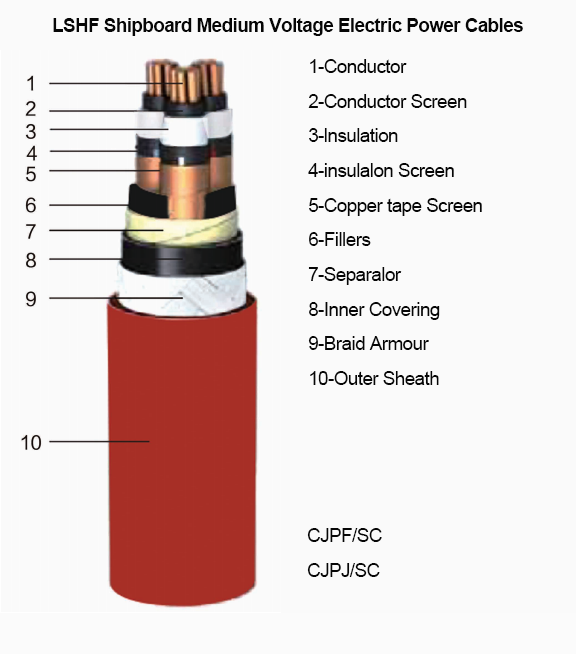
RONA marine cables are designed to meet the demanding requirements of marine environments. They offer a variety of products tailored for flexibility, durability, and performance. Let’s explore the key details of RONA's marine cable offerings.
RONA provides several series of marine cables, each engineered for specific applications and environments. Two notable series include:
● PUR Sheathed Flexible Cables: These cables are known for their excellent flexibility and abrasion resistance. The polyurethane (PUR) sheath provides superior protection against mechanical stress, making them ideal for dynamic applications on vessels.
● PVC Sheathed Flexible Cables: PVC sheathed cables offer a cost-effective solution while maintaining good flexibility and chemical resistance. They are suitable for a variety of marine applications where moderate durability is required.
RONA adheres to stringent international standards, ensuring high-quality and reliable marine cables. Key standards include:
● VDE 0295: This standard outlines the requirements for insulated conductors, ensuring safety and performance.
● IEC 60332-1: This standard specifies the test methods for the assessment of fire behavior in cables.
Here are some important technical specifications for RONA marine cables:
Specification | Details |
Conductor Material | Copper or aluminum, depending on the series |
Insulation Material | PUR or PVC based on application needs |
Voltage Rating | Up to 0.6/1 kV, suitable for various marine applications |
These specifications highlight RONA's commitment to quality and safety in marine cable manufacturing.
RONA marine cables stand out due to their exceptional features that cater to the unique challenges of marine environments.
● High Flexibility: RONA cables are designed to remain flexible even in extreme temperatures, allowing for easy installation and movement on board.
● Durable Wear Resistance: The materials used in RONA cables provide excellent resistance to abrasion, chemicals, and UV exposure, ensuring longevity in harsh marine conditions.
● Reliable Watertightness: Many RONA marine cables are designed to be watertight, preventing water ingress and ensuring reliable performance in submerged applications.
● Customization Capability: RONA offers customization options to meet specific customer requirements, from cable length to insulation types, ensuring that each solution is tailored to its intended use.
Feature | Description |
Flexibility | Maintains flexibility in extreme conditions |
Wear Resistance | High durability against physical and chemical wear |
Watertightness | Prevents water ingress in critical applications |
Customization | Tailored solutions for specific needs |
RONA marine cables combine advanced materials and engineering to ensure they meet the rigorous demands of maritime applications. Each product is crafted to provide reliable performance, making them a trusted choice for marine professionals.
Understanding the distinctions between marine and submarine cables is essential for anyone involved in maritime operations or telecommunications. While both types of cables serve critical functions, they are designed for different environments and applications. Let’s explore these differences in detail.
Marine cables are specifically designed for use in vessels and offshore platforms. These cables are essential for powering equipment, facilitating communication, and ensuring the safety of onboard systems.
● Usage in Vessels and Offshore Platforms: Marine cables are typically found in ships, oil rigs, and floating platforms. They must be flexible, durable, and resistant to harsh marine conditions, including saltwater corrosion and extreme temperatures.
● Common Applications: These cables are used for electrical power distribution, lighting, navigation systems, and data transmission. Their design prioritizes flexibility and reliability, ensuring they can withstand the dynamic environments of marine operations.
Submarine cables, on the other hand, are primarily used for telecommunications and energy transfer across bodies of water. These cables are laid on the seabed and connect different landmasses or offshore facilities.
● Applications on Seabeds for Telecommunications and Energy Transfer: Submarine cables are crucial for internet connectivity, broadcasting, and power transmission. They can carry vast amounts of data and electrical energy over long distances, making them vital for global communication networks.
● Construction and Design: These cables are built to endure the pressures and conditions of deep-sea environments. They are often armored to protect against physical damage and designed to be watertight to prevent water ingress.
While both marine and submarine cables share some similarities, there are key differences that set them apart.
Feature | Marine Cables | Submarine Cables |
Depth | Used in shallow waters and onboard ships | Laid on the seabed at great depths |
Installation | Installed on vessels and platforms | Buried or laid on the ocean floor |
Capacity | Lower data and power capacity | High capacity for data and energy transfer |
● Depth Considerations: Marine cables are suitable for use in shallow waters, while submarine cables are designed to operate at significant depths, often exceeding several kilometers.
● Installation Methods: Marine cables are typically installed on ships or offshore platforms, whereas submarine cables require specialized laying techniques to ensure they are securely placed on the seabed.
● Capacity Considerations: Submarine cables have a much higher capacity for data and energy transfer compared to marine cables, which are more focused on localized applications.
In summary, while both marine and submarine cables are critical for modern maritime and telecommunications needs, they serve distinct purposes and are engineered for different environments. Understanding these differences helps in selecting the appropriate cable for specific applications.
When it comes to marine cables, adhering to established standards is crucial for ensuring safety, reliability, and performance. Various international and regional standards govern the design, manufacturing, and testing of these cables. Let’s delve into the key standards and their significance.
Marine cables must comply with a variety of standards to ensure they meet safety and performance requirements. Some of the most important standards include:
● ABYC (American Boat and Yacht Council): This organization sets standards specifically for the marine industry in the United States. Their guidelines focus on safety and performance, covering electrical systems, wiring, and equipment used in boats.
● IEC 60092: This international standard pertains to electrical installations in ships and offshore units. It outlines requirements for design, installation, and testing, ensuring that marine cables can withstand harsh marine environments.
● MIL-Spec: Military specifications dictate the standards for cables used in military applications. These specifications ensure that marine cables meet rigorous performance and durability requirements, especially in extreme conditions.
Standard | Focus Area | Application |
ABYC | Electrical systems in recreational boats | Safety and performance in boating |
IEC 60092 | Electrical installations in marine settings | Ships and offshore units |
MIL-Spec | Military applications | High durability and performance |
Compliance with these standards is not merely a regulatory requirement; it plays a vital role in ensuring the safety and reliability of marine cables.
● How Standards Ensure Safety and Reliability: Standards provide guidelines for materials, construction methods, and testing procedures. By following these guidelines, manufacturers can produce cables that are less likely to fail under stress, reducing the risk of electrical fires, equipment damage, and accidents at sea.
● Quality Assurance: Compliance with recognized standards also enhances product quality, ensuring that marine cables can perform effectively in challenging environments. This reliability is critical for maintaining the safety of vessels and offshore platforms.
RONA is committed to producing high-quality marine cables that comply with stringent standards. Their products meet various directives, including:
● 2014/35/EU Low Voltage Directive: This directive ensures that electrical equipment operates safely within specified voltage limits. RONA’s compliance demonstrates their commitment to safety and performance in their cable offerings.
● Other Certifications: RONA also adheres to additional standards and certifications, ensuring their marine cables are suitable for a wide range of applications.
Certification | Description | Significance |
2014/35/EU | Low Voltage Directive | Ensures safe operation of electrical equipment |
Additional Standards | Various international and regional standards | Guarantees quality and reliability |
By adhering to these governing standards, RONA ensures that their marine cables not only meet regulatory requirements but also exceed expectations in safety and performance. This commitment to quality is essential for anyone relying on marine cables in their operations.
Marine cables are essential for various maritime applications. They ensure safe and reliable power and data transmission on vessels and offshore platforms.
Key points include the differences between marine and submarine cables, governing standards, and RONA's certifications.
When selecting a marine cable, consider your specific needs and applications.
RONA marine cables stand out for their commitment to quality and customer satisfaction, making them a trusted choice for all marine operations.
A: Marine cables typically use copper or aluminum conductors and are insulated with materials like PVC or PUR for durability.
A: Consider factors such as application, environmental conditions, voltage rating, and compliance with relevant standards.
A: Substandard cables can lead to electrical failures, increased fire risks, and potential safety hazards on vessels.
A: Yes, many manufacturers, including RONA, offer customization options to meet unique project requirements.
A: Regular inspections for wear, corrosion, and damage are essential to ensure long-term performance and safety.


