

Views: 0 Author: Site Editor Publish Time: 2025-11-22 Origin: Site
Choosing the right electrical conductor is one of the most critical decisions in any electrical project. Whether you are wiring a new home, upgrading an industrial facility, or installing overhead power lines, understanding the pros and cons of copper and aluminum wire can mean the difference between a safe, efficient system and one plagued by problems.
Copper has been the standard for electrical conductors since the earliest days of electrical experimentation. Pioneers like Ben Franklin and Michael Faraday recognized copper's exceptional ability to conduct electricity, and it became the material of choice for groundbreaking inventions including the telegraph, telephone, and electric motor. For decades, copper reigned supreme in virtually all electrical applications.
However, the landscape shifted dramatically during the 1960s and 1970s when copper prices soared. This price surge drove many builders and electricians to seek alternatives, leading to the widespread adoption of aluminum wiring. While aluminum offered significant cost savings, it also introduced new challenges that the industry had to learn to address.
Today, both copper and aluminum remain essential materials in the electrical industry, each with distinct advantages and limitations. This comprehensive guide will explore every aspect of these two conductor materials, helping you make an informed decision for your specific application. From conductivity and safety to cost and installation considerations, we will examine the complete picture of copper vs aluminum wire performance.
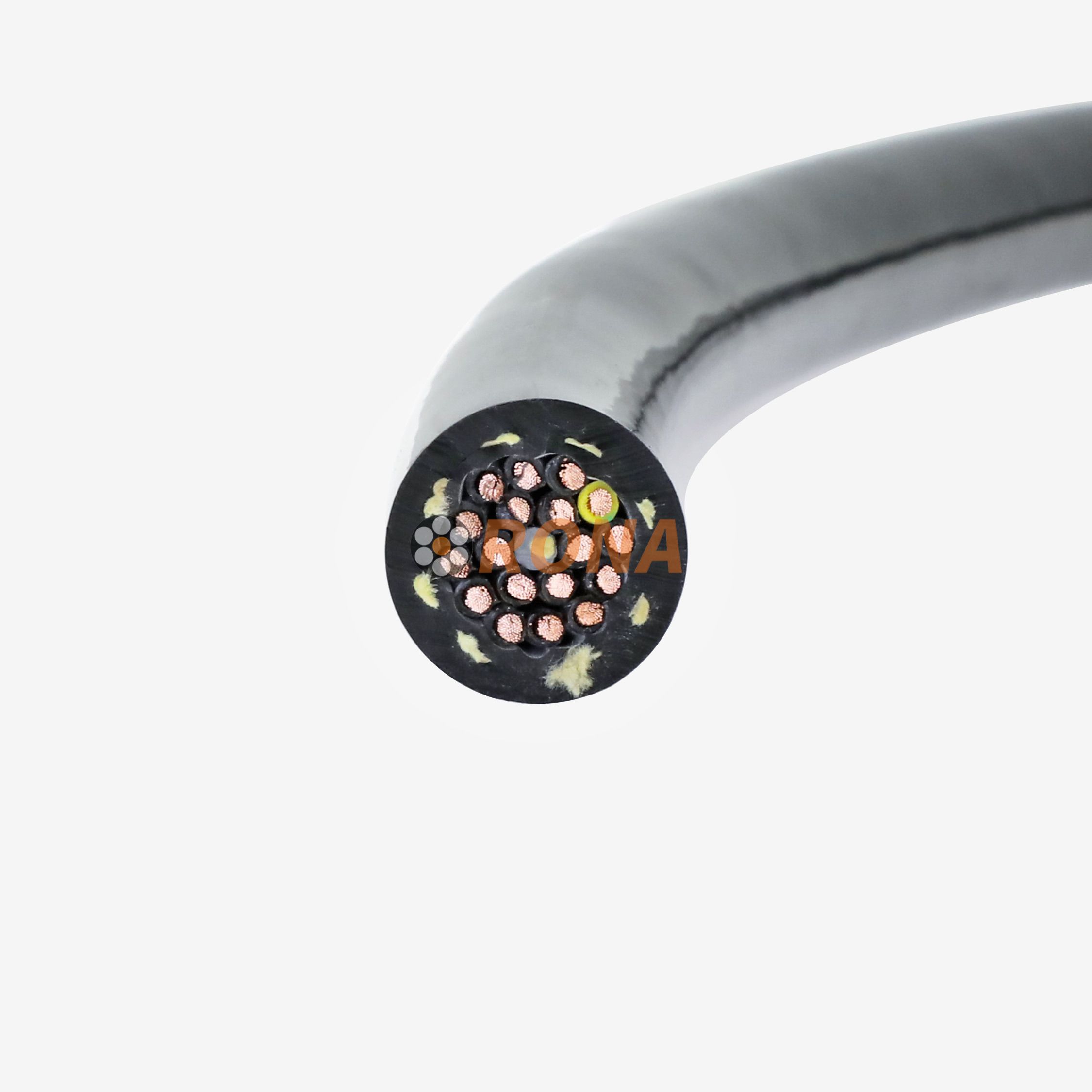
Before diving into the specific pros and cons of copper and aluminum wire, it is essential to understand the fundamental principles that govern electrical conductivity. This knowledge forms the foundation for evaluating which material best suits your needs.
Electrical conductivity refers to a material's ability to allow the flow of electric current. When electrons can move freely through a material with minimal resistance, that material is considered a good conductor. Nonmagnetic metals are typically considered ideal conductors of electricity because their atomic structure allows electrons to flow easily.
Resistivity is the inverse of conductivity and measures how strongly a material opposes the flow of electric current. Lower resistivity means better conductivity and more efficient power transmission. When current flows through a conductor with high resistivity, more energy is lost as heat, reducing efficiency and potentially creating safety hazards.
Ductility is another crucial property for electrical conductors. Ductile materials can be drawn into thin wires without breaking, making them practical for manufacturing the various wire gauges needed in electrical applications. Both copper and aluminum exhibit good ductility, though they differ in degree.
The electrical industry needed a standardized way to compare the conductivity of different materials, which led to the establishment of the International Annealed Copper Standard in 1913. This standard uses commercially pure annealed copper as the benchmark, assigning it a conductivity value of 100% IACS.
Copper's reference resistivity under this standard is 1.724μΩcm at 20°C. All other conductive materials are measured against this baseline. Interestingly, modern processing technology has improved to the point where commercially pure copper produced today may actually exceed 100% IACS conductivity.
Among commonly found pure metals, only silver surpasses copper in conductivity. However, silver is considerably more expensive and not as mechanically strong as copper, making it impractical for most electrical wiring applications. This leaves copper as the most conductive practical choice for electrical conductors.
Aluminum conductivity sits at approximately 61% of copper's conductivity according to the IACS standard. This significant difference has profound implications for practical applications. To carry the same amount of electrical current, an aluminum conductor must have a larger cross-sectional area than a copper conductor.
The industry rule of thumb states that aluminum conductors typically need to be two AWG sizes larger than copper to achieve equivalent current-carrying capacity. For example, where an 8 AWG copper wire might suffice, a 6 AWG aluminum wire would be necessary to handle the same electrical load safely.
This size difference creates a cascade of practical considerations. Larger conductors require more insulation material, bigger conduits, and larger junction boxes. In space-constrained applications, these requirements can become prohibitive, tilting the balance toward copper despite its higher cost.
Copper has earned its reputation as the gold standard for electrical conductors through centuries of proven performance. Understanding the complete range of copper wire advantages and disadvantages helps explain why it remains the preferred choice for most applications.
Copper's conductivity stands at 97% compared to silver, making it the second most conductive common metal available. This exceptional conductivity translates directly into practical benefits. Lower electrical resistance means that more of the electrical energy reaches its destination rather than being lost as heat during transmission.
For the same wire gauge, copper can carry significantly more current than aluminum. This efficiency reduces energy waste, lowers operating costs, and minimizes the heat generated within electrical systems. In applications where efficiency matters, copper's conductivity advantage is difficult to ignore.
Tensile strength measures a material's resistance to breaking under tension. Copper demonstrates approximately twice the tensile strength of aluminum, making it far less likely to break during installation or from ongoing mechanical stresses.
This strength advantage means copper wire handles wear and tear approximately 40% better than aluminum wiring. Installers can pull copper wire through conduits with greater force without risking damage. Once installed, copper maintains its integrity even under challenging conditions.
The strength difference becomes even more pronounced at elevated temperatures. Under high-temperature conditions, copper maintains its structural integrity far better than aluminum, which is critical for conductors that may experience heat during heavy electrical loads.
Ductility measures how much a material can be stretched or formed without breaking. Electrical copper exhibits ductility exceeding 30%, while copper alloys range from 20% to 40%. This compares favorably to aluminum alloys, which typically show ductility of only about 18%.
This superior ductility means copper can be formed into very fine wires for delicate applications while also being easily shaped during installation. Electricians can route copper wire through tight spaces, around corners, and through complex pathways without fear of the conductor cracking or breaking.
Copper's flexibility rating is approximately 1.7 to 1.8 times higher than aluminum. This makes copper the clear choice for applications requiring repeated bending or movement, such as flexible industrial cables, robotic systems, and portable equipment.
Ampacity refers to the maximum current a conductor can carry continuously without exceeding its temperature rating. Due to its lower resistivity, copper wire of the same cross-section can safely carry approximately 30% more current than aluminum wire.
This higher ampacity means that smaller copper conductors can replace larger aluminum ones, saving space and simplifying installation. In applications where conduit space is limited or where weight must be minimized without sacrificing current capacity, copper's superior ampacity provides significant advantages.
Copper conducts heat more efficiently than aluminum, which directly impacts electrical performance. When current flows through a conductor, some energy is inevitably converted to heat. A conductor with better thermal conductivity can dissipate this heat more effectively, preventing dangerous temperature buildups.
This superior heat dissipation contributes to better short circuit performance. During a short circuit, massive amounts of current flow through the conductor for brief periods, generating intense heat. Copper's ability to conduct this heat away from the fault point helps prevent conductor damage and reduces fire risk.
Under normal operating conditions, copper conductors run cooler than aluminum conductors carrying the same current. This lower operating temperature extends insulation life, reduces energy losses, and improves overall system safety.
Copper demonstrates excellent resistance to oxidation and corrosion under normal conditions. When copper does oxidize, it forms a patina that actually helps protect the underlying metal from further degradation. This stability means copper connections maintain their electrical properties over decades of service.
The connector performance of copper wiring remains stable over time, with no degradation due to oxidation at connection points. This reliability translates directly into safety, as loose or corroded connections are a leading cause of electrical fires.
Aluminum, by contrast, forms an oxide layer that can increase electrical resistance at connection points, potentially leading to overheating. This fundamental difference makes copper the preferred choice for applications where connection reliability is paramount.
The low resistivity of copper means that less voltage is lost as current travels through the conductor. For the same current flowing through the same cross-sectional area, copper conductors experience smaller voltage drops than aluminum conductors.
This reduced voltage loss has several practical implications. Power can be transmitted over longer distances while maintaining acceptable voltage quality at the receiving end. Power supply coverage areas can be larger, reducing the number of substations or distribution points needed.
For sensitive electronic equipment that requires stable voltage, copper wiring helps ensure that the delivered power meets specifications. Voltage fluctuations that might affect equipment performance or longevity are minimized with copper conductors.
Fatigue resistance measures how well a material withstands repeated stress cycles without failing. Copper excels in this area, maintaining its integrity even after countless bending cycles. Aluminum, by contrast, tends to crack and fail after repeated bending.
This fatigue resistance makes copper essential for applications where conductors experience regular movement or vibration. Machine tools, robotic arms, vehicle wiring harnesses, and portable equipment all benefit from copper's ability to flex repeatedly without degradation.
Copper is one of the most recyclable materials on earth. It can be recycled repeatedly without losing its essential properties, making it an environmentally responsible choice. The recycling process for copper is well-established and economically viable.
This recyclability helps maintain the copper supply chain and reduces the environmental impact of mining new ore. Scrap copper retains significant value, which incentivizes proper recycling rather than disposal.
The most significant disadvantage of copper wire is its cost. Copper rods cost more than three times as much as aluminum rods. This price premium increases overall project budgets, sometimes substantially for large installations.
Copper prices also tend to fluctuate more than aluminum prices, making project cost estimation more challenging. Market demand, mining output, and global economic conditions all influence copper prices, introducing uncertainty into project planning.
For large-scale projects spanning long distances, the cost difference between copper and aluminum can amount to significant sums. This economic reality drives many utility companies and large commercial projects toward aluminum solutions.
Copper is approximately 3.3 times heavier than aluminum by volume. This weight difference complicates installation, particularly for overhead lines or long cable runs. Heavier cables require more robust support structures and more labor to install.
The weight of copper conductors increases transportation costs and can slow installation progress. Workers may tire more quickly when handling heavy copper cables, potentially affecting productivity and safety.
For overhead power transmission, the weight of copper would require substantially stronger poles and support structures. This additional infrastructure cost compounds the material cost disadvantage, making copper impractical for most overhead utility applications.
Copper's high value makes it an attractive target for thieves. Construction sites, vacant buildings, and even active facilities have experienced copper wire theft. The cost of stolen copper extends beyond the material value to include repair costs, project delays, and potential safety hazards.
This theft risk requires additional security measures for copper installations, adding to project costs. In some areas, copper theft has become so prevalent that alternatives are considered primarily for security reasons.
The weight of copper wire necessitates additional support structures, particularly for long runs. More frequent supports mean more materials and more labor, increasing installation costs beyond the raw material premium.
In vertical installations, copper's weight creates greater stress on connections and supports. These installations may require specialized hardware and techniques to ensure long-term reliability.
Aluminum offers a compelling alternative to copper for many applications. Understanding both the advantages and limitations of aluminum wire helps identify where this material truly excels.
The most compelling advantage of aluminum wire is its significantly lower cost compared to copper. This price advantage makes aluminum attractive for large-scale projects where material costs represent a substantial portion of the total budget.
Aluminum proves particularly suitable for low-cost projects or temporary electrical installations where the premium for copper cannot be justified. The stable pricing of aluminum also simplifies budgeting compared to the more volatile copper market.
For utility-scale power transmission spanning hundreds of miles, the cumulative cost savings from using aluminum rather than copper can amount to millions of dollars. These savings can be redirected to other aspects of infrastructure improvement.
Aluminum weighs only about 30% as much as an equivalent volume of copper. For conductors with the same electrical resistance, aluminum wire weighs approximately half as much as copper wire. This weight advantage translates into easier handling and faster installation.
The reduced weight of aluminum conductors means lower transportation costs and reduced strain on workers during installation. Long cable pulls that might be exhausting with copper become manageable with aluminum.
For overhead power lines, aluminum's light weight dramatically reduces the structural requirements for poles and towers. Longer spans become possible, reducing the number of support structures needed. This advantage makes aluminum the standard choice for utility transmission and distribution lines.
When aluminum is exposed to air, it quickly forms a thin oxide layer on its surface. Unlike rust on iron, this aluminum oxide layer actually protects the underlying metal from further corrosion. The oxide layer is hard, adherent, and self-healing if scratched.
This natural protection makes aluminum suitable for outdoor applications where exposure to the elements is unavoidable. Overhead power lines, for example, benefit from aluminum's ability to resist environmental degradation without additional protective coatings.
The corrosion resistance of aluminum makes it a necessary material for high-voltage, large-section, and large-span overhead power transmission applications where maintenance access is limited and reliability is essential.
The combination of light weight, adequate conductivity, and corrosion resistance makes aluminum the material of choice for overhead power transmission. Virtually all modern utility transmission and distribution lines use aluminum conductors.
Aluminum conductors can span greater distances between support structures, reducing infrastructure costs. The lighter weight means smaller, less expensive poles and towers can be used while maintaining adequate safety margins.
For electrical utilities, aluminum's advantages in overhead applications are so compelling that copper is rarely considered for new transmission line construction.
With only 61% of copper's conductivity, aluminum requires larger conductor sizes to carry equivalent current. This size increase affects not only the conductor itself but also all associated components, including insulation, conduits, and junction boxes.
The lower conductivity means more material is needed to achieve the same performance. While aluminum costs less per pound than copper, the additional material required partially offsets this price advantage for some applications.
In space-constrained installations, the larger size of aluminum conductors may simply not fit. This limitation effectively eliminates aluminum from consideration for many residential and commercial applications.
Aluminum expands and contracts more than copper when temperatures change. This thermal movement can loosen connections over time as the conductor repeatedly grows and shrinks with each heating and cooling cycle.
Loose connections increase electrical resistance at the connection point, generating heat. This heat causes further expansion and loosening, creating a dangerous cycle that can eventually lead to fire. Proper installation techniques and specialized connectors help mitigate this risk but require additional attention and cost.
The thermal expansion issue was a significant factor in the problems experienced with aluminum wiring installed in homes during the 1960s and 1970s. While modern materials and techniques have addressed many of these concerns, the fundamental physical property remains.
Aluminum is more prone to cracking and failure when subjected to vibration. The metal also tends to become brittle over time, especially if it experiences repeated thermal cycling or mechanical stress.
This reduced durability means aluminum installations may require replacement sooner than equivalent copper installations. For applications where longevity is paramount, copper's proven track record often justifies its premium price.
The fatigue characteristics of aluminum make it unsuitable for applications requiring repeated flexing. Portable equipment, robotic systems, and other dynamic applications generally require copper conductors.
While the oxide layer that forms on aluminum protects against environmental corrosion, it creates challenges at electrical connections. Aluminum oxide is an electrical insulator, which means it increases resistance at connection points.
This increased resistance generates heat, which can lead to further oxidation and eventually connection failure. Anti-oxidation compounds must be applied at each aluminum terminal to prevent this degradation, adding complexity and cost to installations.
The oxidation issue is particularly problematic for connections that may experience mechanical movement or vibration. Each small movement can expose fresh aluminum to oxidation, gradually degrading connection quality.
Aluminum is notoriously difficult to solder. The oxide layer that forms on the surface prevents solder from bonding properly, and standard soldering techniques that work well with copper are ineffective with aluminum.
This limitation restricts the connection methods available for aluminum conductors. Mechanical connections such as crimps, bolts, and compression fittings must be used instead of soldered connections.
In applications where soldered connections would be preferred or required, aluminum simply cannot be used. This further narrows the range of suitable applications for aluminum conductors.
The larger cross-section required for aluminum conductors to match copper's current-carrying capacity creates downstream requirements for larger components. Conduits must be sized to accommodate the larger wires. Junction boxes need more space. Fittings and connectors must be correspondingly larger.
These increased size requirements add cost beyond the raw wire expense. In retrofit applications where existing infrastructure must be used, the larger aluminum conductors may simply not fit in the available space.
The additional insulation required for larger conductors also adds weight and cost, partially offsetting aluminum's weight advantage. For some applications, these secondary effects make aluminum less attractive than initial material cost comparisons suggest.
Aluminum has approximately half the tensile strength of copper. This means aluminum wire is more likely to break under tension during installation and more susceptible to damage from mechanical stress during service.
The softer nature of aluminum makes it more easily damaged by improper handling or installation techniques. Kinks or sharp bends that copper might tolerate can permanently damage aluminum conductors.
For applications where mechanical strength matters, aluminum's lower tensile strength must be accommodated through larger conductor sizes, additional support, or other compensating measures.
The selection of conductor material becomes particularly critical in industrial applications where cables must withstand demanding conditions. Flexible industrial cables represent a specialized category where the pros and cons of copper and aluminum wire become especially pronounced.
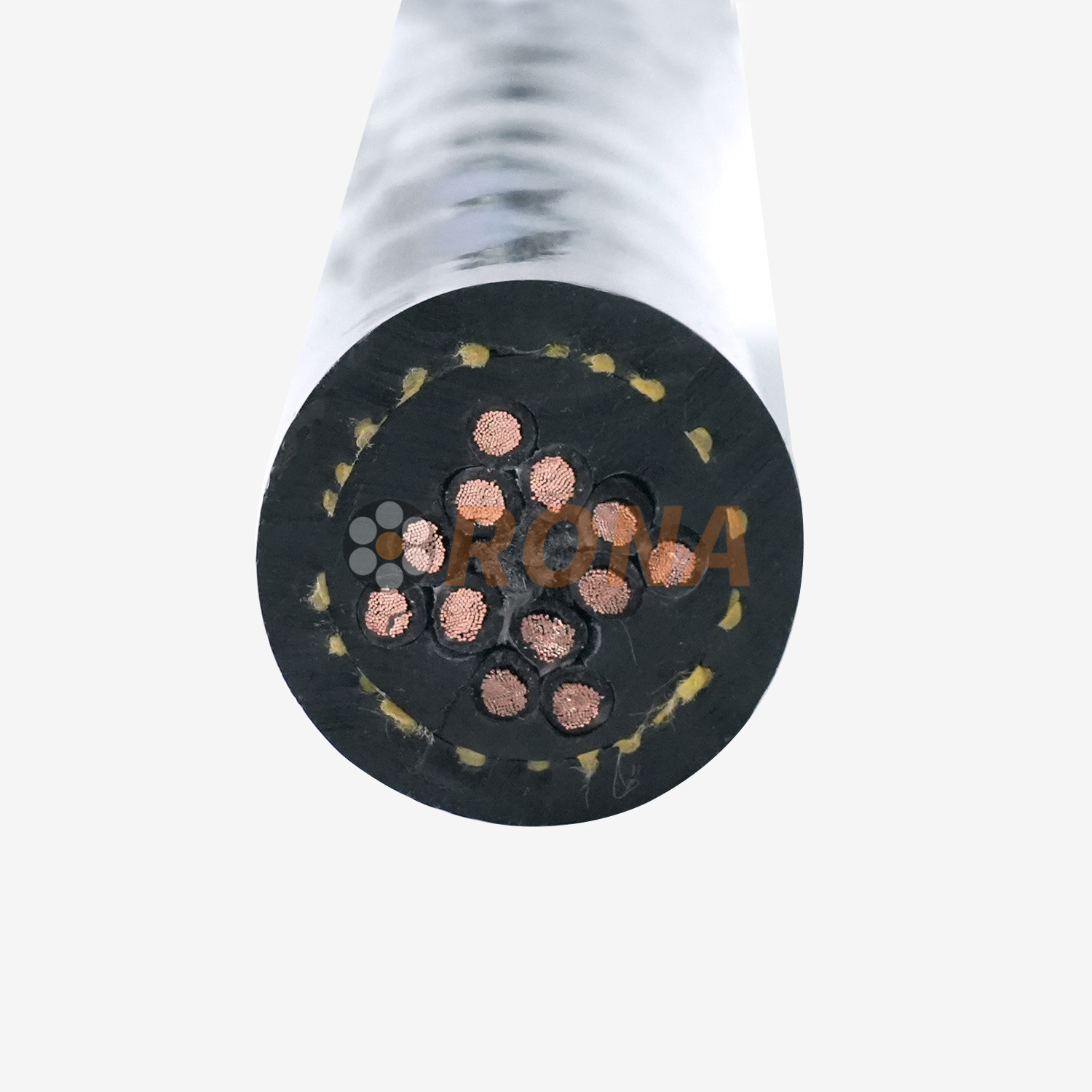
Flexible industrial cablesare designed to withstand repeated bending, continuous flexing, and exposure to harsh industrial environments. These cables serve critical functions in manufacturing facilities, automated production lines, robotic systems, and mobile equipment.
Unlike fixed wiring that remains stationary after installation, flexible industrial cables experience constant movement throughout their service life. Machine tools move back and forth, robotic arms articulate through complex motions, and cable carrier systems continuously cycle. The conductors within these cables must endure millions of flex cycles without failure.
The consequences of cable failure in industrial applications extend beyond simple inconvenience. Production lines may halt, expensive equipment may be damaged, and worker safety may be compromised. For these reasons, conductor material selection for flexible industrial cables demands careful consideration of mechanical properties alongside electrical performance.
The fatigue resistance of copper makes it the overwhelming choice for flexible industrial cable applications. Copper conductors can endure repeated bending cycles without developing the cracks that lead to conductor failure. This property is essential for cables that may flex millions of times during their service life.
Aluminum, by contrast, tends to crack after repeated bending. Each flex cycle stresses the metal, and aluminum's crystalline structure makes it susceptible to fatigue failure. For flexible industrial cables, this limitation essentially disqualifies aluminum from consideration.
Studies have shown that copper's flexibility rating is approximately 1.7 to 1.8 times higher than aluminum. This quantified advantage translates directly into longer service life and greater reliability for cables in dynamic applications.
Industrial environments subject cables to more than just flexing. Vibration from machinery, mechanical impacts, cable carrier acceleration, and torsional stresses all contribute to conductor wear. Copper's superior mechanical properties help it withstand this multi-faceted abuse.
The higher tensile strength of copper means conductors are less likely to break when cables experience sudden tension. This might occur when a cable snags during machine movement or when a cable carrier changes direction abruptly.
Copper also resists the gradual degradation that vibration causes in aluminum conductors. Industrial machinery often produces continuous vibration that fatigues metal over time. Copper's resistance to this vibrational fatigue helps ensure reliable operation throughout the cable's intended service life.
The connection points where flexible industrial cables terminate are critical to system reliability. These connections must maintain their integrity despite the constant movement of the cable and the mechanical stresses transmitted through the conductors.
Copper's stability at connection points provides advantages for flexible cable applications. The metal does not creep under pressure as aluminum does, so properly made connections maintain their clamping force over time. This consistent contact pressure ensures low resistance and reliable current flow.
Aluminum connections in dynamic applications face compounded challenges. The thermal expansion, oxide formation, and mechanical softness issues that affect any aluminum connection become more severe when cable movement constantly stresses these vulnerable points.
The properties that make aluminum suitable for static overhead lines work against it in flexible industrial applications. Aluminum's brittleness after repeated flexing poses unacceptable reliability risks for cables that must move continuously.
The thermal expansion of aluminum can cause connections to work loose even in static installations. When cable movement adds mechanical stress to these connections, the failure rate increases further. For critical industrial applications, this unreliability cannot be tolerated.
Industrial environments often involve temperature variations, vibration, and contamination that exacerbate aluminum's weaknesses. Oil, cutting fluids, and other industrial substances can penetrate connections and accelerate corrosion. The overall operating environment favors copper's robust characteristics.
For these reasons, aluminum conductors are generally not recommended for flexible industrial cable applications. The cost savings aluminum might provide cannot justify the reliability risks in demanding industrial environments.
Copper-clad aluminum (CCA) conductors represent an attempt to combine the advantages of both materials. These conductors feature an aluminum core surrounded by a layer of copper bonded to the surface.
The original application for CCA exploited the skin effect, where alternating current tends to flow near the surface of conductors at high frequencies. For radio frequency applications like antenna cables and coaxial cables, CCA can provide adequate performance at reduced weight.
However, CCA conductors present significant limitations for industrial power applications. The conductivity of CCA is substantially lower than pure copper. A 2.5mm² CCA conductor provides roughly equivalent performance to a 1.5mm² copper conductor. This discrepancy can lead to undersized installations if not properly accounted for.
The power applications where CCA has been marketed, including speaker cables, automotive audio, and network cables, are not suitable for this technology. Higher voltage drops and increased heat generation create safety risks. Industry standards from organizations like TIA and IEC actually prohibit CCA in network cabling applications.
For flexible industrial cables carrying power, CCA conductors are not advisable. The mechanical properties of CCA follow those of the aluminum core rather than the copper cladding, meaning flexibility and fatigue resistance fall short of pure copper. The cost savings do not justify the performance and reliability compromises.
Various industry standards govern the selection and specification of conductors for industrial applications. Understanding these standards helps ensure that selected cables meet the requirements for safe and reliable operation.
ASTM B3 specifies the requirements for soft or annealed copper wire used for electrical purposes. This standard ensures that copper conductors meet minimum conductivity, tensile strength, and elongation requirements. Cables meeting this specification provide the reliable performance industrial applications demand.
For aluminum conductors, the National Electric Code Article 310 specifies that only AA-8000 series alloys may be used for solid or stranded aluminum conductors in building wiring. These alloys were developed specifically to address the problems experienced with earlier AA-1350 series aluminum in building applications.
However, even these improved aluminum alloys are generally not suitable for flexible industrial cable applications. The mechanical requirements for continuous flexing exceed what current aluminum alloys can reliably provide. Industry practice strongly favors copper for these demanding applications.
Specific industries may impose additional requirements beyond these general standards. Automotive manufacturing, semiconductor fabrication, and food processing each have unique cable requirements that typically specify copper conductors for flexible applications.
Understanding the pros and cons of copper and aluminum wire becomes clearer when viewing the materials side by side. This direct comparison highlights the trade-offs involved in selecting one material over the other.
The lower conductivity of aluminum means larger wire sizes are needed to match copper's performance. A practical example illustrates this relationship clearly.
For a 60-amp circuit at 75°C, copper requires 8 AWG wire while aluminum requires 6 AWG wire. This two-size difference is consistent across most current ratings and represents the practical impact of the conductivity difference.
The weight implications of this size difference deserve attention. For 1,000 feet of the conductors described above, the 6 AWG aluminum weighs approximately 39 pounds while the 8 AWG copper weighs approximately 65 pounds. Despite needing a larger wire size, the aluminum installation weighs significantly less.
The diameter difference also matters. The larger aluminum conductor requires larger conduit, larger junction boxes, and larger connectors. These secondary requirements add cost and may create installation challenges in space-constrained applications.
The theoretical property differences translate into measurable performance variations in actual installations. Understanding these practical implications helps with material selection.
Current carrying capacity favors copper for a given wire size. However, when properly sized, both materials can safely carry their rated currents. The key is ensuring aluminum is adequately sized for the application.
Voltage drop calculations show copper's advantage clearly. For the same length, current, and physical wire size, copper exhibits lower voltage drop. When aluminum is sized up to provide equivalent conductivity, the voltage drops become comparable.
Heat generation follows the resistance characteristics of each material. Properly sized installations of either material operate within safe temperature limits. Undersized aluminum installations, however, can overheat due to the higher resistance.
Long-term reliability generally favors copper, particularly in applications with connections that may experience thermal cycling or vibration. Aluminum's excellent performance in overhead utility applications demonstrates that proper design and installation can achieve good reliability.
Different applications favor different conductor materials. Understanding which material excels in each context helps ensure optimal performance and value.
Copper remains the standard for residential electrical systems throughout most of the developed world. The combination of conductivity, reliability, and compact size makes copper ideal for the wiring hidden within walls and ceilings.
The smaller size of copper conductors fits more easily in the limited spaces available in residential construction. Wall cavities, ceiling joists, and electrical boxes are all designed around the assumption of copper wiring. Retrofitting these spaces for larger aluminum conductors would be challenging and expensive.
Safety considerations also favor copper for residential applications. The connection reliability and resistance to thermal cycling that copper provides are particularly valuable in homes where professional inspection is infrequent. Homeowners benefit from copper's ability to maintain safe connections over decades of service.
Virtually all electronic equipment uses copper for internal wiring and circuit board traces. The precision required in electronic applications demands copper's superior conductivity and the ability to form extremely fine wires and traces.
Data cables, including ethernet and coaxial cables, typically use copper conductors. The signal integrity requirements of high-speed data transmission benefit from copper's consistent electrical properties and reliable connections.
Audio equipment similarly favors copper for its low resistance and consistent performance. Speaker cables, interconnects, and internal amplifier wiring all typically use copper conductors.
Industrial equipment subjects wiring to harsh conditions that demand copper's robust properties. Motors generate heat and vibration that stress conductors and connections. Power tools create mechanical shocks that test wire durability.
The flexible industrial cables discussed earlier represent a prime example of industrial copper applications. Any application requiring repeated flexing, continuous movement, or resistance to vibration typically specifies copper conductors.
High-current industrial applications also favor copper. The higher ampacity of copper means smaller conduits can be used, reducing infrastructure costs even when copper's material premium is factored in.
Underground power cables typically use copper conductors due to the material's reliability and resistance to the challenging underground environment. Soil moisture, temperature variations, and limited access for repairs all favor copper's durability.
The lower accident rate associated with copper underground installations reflects the material's stable connection performance. When access for maintenance is difficult, the extra reliability copper provides justifies its higher cost.
Repair and maintenance work is simplified with copper systems. Connections can be made with standard techniques, and the material's resistance to damage during excavation provides an additional safety margin.
Traditional vehicle electrical systems use copper wiring almost exclusively. The vibration, temperature extremes, and compact spaces of automotive environments all favor copper's properties.
Engine compartment wiring must withstand high temperatures and constant vibration while maintaining reliable connections. Copper's fatigue resistance and connection stability are essential in this demanding environment.
Battery cables and starter motor wiring carry extremely high currents for brief periods. Copper's high conductivity and ability to handle surge currents without damage make it the only practical choice for these critical circuits.
Aluminum dominates overhead power transmission and distribution applications. The weight savings aluminum provides translate directly into reduced infrastructure costs for the poles and towers that support these lines.
Modern overhead lines typically use aluminum conductor steel reinforced (ACSR) construction. A steel core provides mechanical strength while aluminum strands carry the current. This combination optimizes both weight and performance for overhead applications.
Electrical utilities worldwide have standardized on aluminum for overhead transmission. The cumulative experience with aluminum in this application spans decades and millions of miles of installed lines.
Large commercial and industrial buildings often use aluminum for service entrance cables and large feeders. The cost savings on these large conductors can be substantial, and proper installation techniques mitigate the reliability concerns.
When aluminum is used in commercial buildings, it is typically for larger conductor sizes where the cost savings are most significant. Smaller branch circuits usually remain copper while major feeders may be aluminum.
Building codes and standards have evolved to accommodate aluminum wiring when properly installed. Connectors rated for aluminum, proper torque specifications, and appropriate termination techniques ensure reliable performance.
Aircraft weight directly affects fuel consumption and performance, making weight reduction a priority in all aircraft systems. Aluminum wiring helps reduce aircraft weight while providing adequate electrical performance.
The controlled environment inside aircraft mitigates some of aluminum's disadvantages. Temperature variations are less extreme than in outdoor applications, and professional maintenance ensures connections receive proper attention.
Future automotive applications may increasingly use aluminum wiring as electric vehicles create demand for high-power, lightweight cable solutions. The weight savings aluminum provides can extend vehicle range, an increasingly important consideration.
Construction sites, special events, and other temporary installations often use aluminum for power distribution. The lower cost is particularly attractive for installations that will be removed after a short service period.
The shorter service life of temporary installations reduces concerns about aluminum's long-term reliability. Connections that might degrade over years of permanent service remain reliable for weeks or months of temporary use.
The lighter weight of aluminum also benefits temporary installations where cables must be repeatedly handled, moved, and reconfigured.
Some applications successfully use both materials, either in combination or as alternatives depending on specific circumstances.
Large coaxial cables sometimes use copper-clad aluminum to gain the conductivity benefits of copper at high frequencies while reducing weight. The skin effect concentrates current near the surface where the copper layer provides excellent conductivity.
Building service entrances may use either material depending on local practices and economic considerations. Proper connectors rated for the chosen material ensure reliable performance with either choice.
Industrial power distribution systems sometimes use aluminum for major feeders while specifying copper for branch circuits and flexible applications. This hybrid approach captures the cost savings of aluminum where appropriate while using copper where its properties are essential.
Safety must be the primary consideration in any electrical installation. Understanding the safety implications of conductor material selection helps ensure that installations protect both property and life.
Electrical fires can result from overheating at connections, conductor damage, or overloaded circuits. The properties of copper and aluminum affect fire risk differently.
Aluminum's higher thermal expansion creates greater risk of connection loosening over time. As connections loosen, resistance increases, generating heat. This heat causes further expansion and loosening, potentially leading to fire.
The historical record from the 1960s and 1970s demonstrates this risk. Homes wired with aluminum during that period experienced significantly higher fire rates than copper-wired homes. While many factors contributed to these problems, the thermal expansion of aluminum was a primary cause.
Modern aluminum alloys and installation techniques have reduced but not eliminated this concern. Proper attention to connections, appropriate connector selection, and regular inspection help maintain safe aluminum installations.
Copper's lower thermal expansion and superior connection stability provide inherent safety advantages. Properly made copper connections tend to remain tight over decades of service, maintaining low resistance and avoiding the overheating cycle that leads to fires.
The junction between conductors and terminals represents a critical point for both safety and reliability. Connection failures cause the majority of electrical system problems.
Connections between copper and aluminum require special attention due to galvanic corrosion concerns. When dissimilar metals contact in the presence of moisture, electrochemical reactions can degrade the connection. Special connectors marked Cu-Al are designed to prevent this problem.
Aluminum connections require anti-oxidation compounds to prevent the oxide layer from increasing resistance. These compounds must be applied during installation and may need renewal if connections are disturbed.
Regular inspection of aluminum connections helps identify problems before they become dangerous. The higher maintenance requirements of aluminum systems represent an ongoing safety consideration beyond initial installation.
Copper connections, while not immune to problems, generally require less ongoing attention. The stability of copper connections provides a safety margin that compensates for the reality that many installations receive little


